 Skip to content
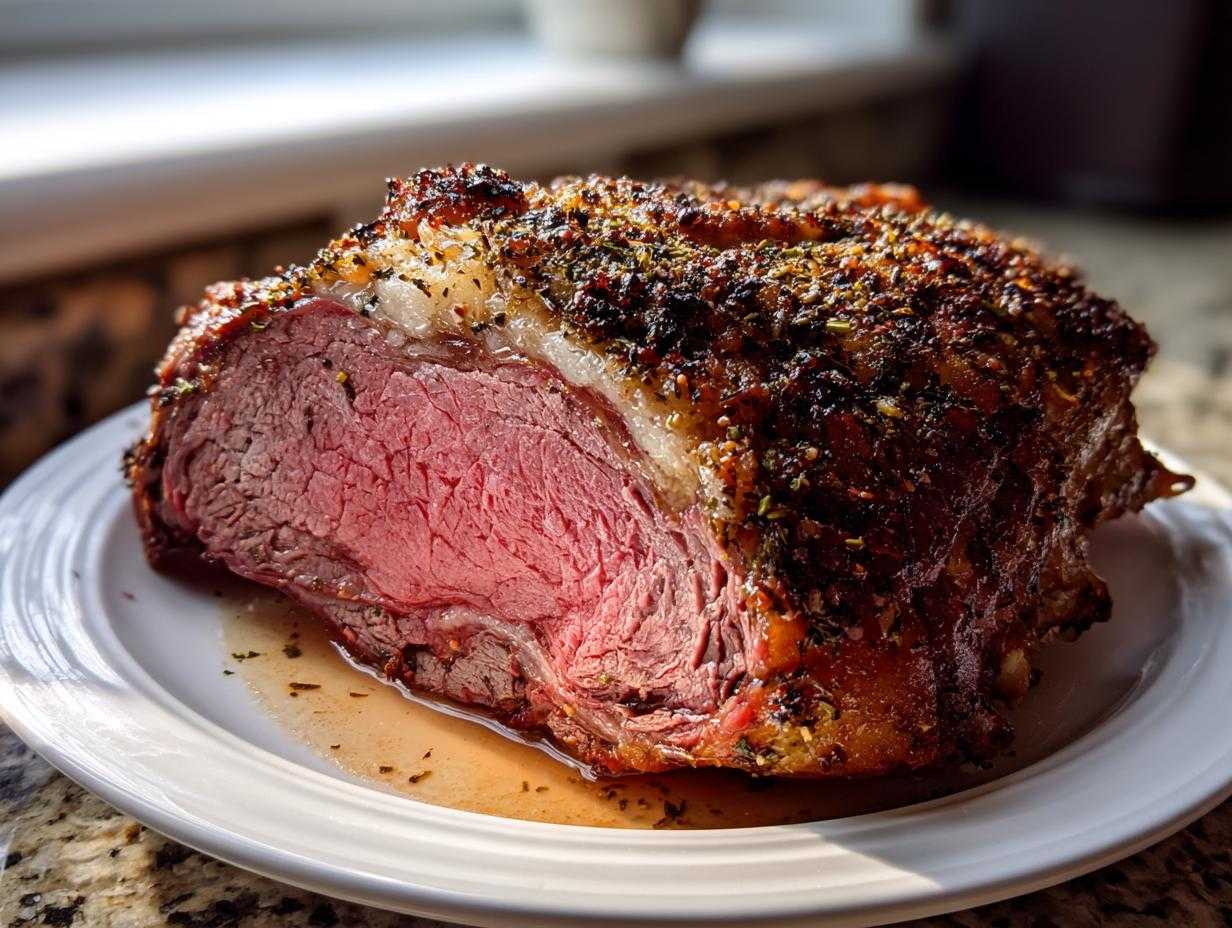

Listen, I know. Making a prime rib roast for the holidays or a big celebration feels intimidating. When I was stuck in that corporate burnout phase, the thought of cooking a massive, expensive cut of meat in the oven was enough to make me order takeout! But I promise you, achieving that show-stopping centerpiece doesn’t require stress. After I finally found joy in my own kitchen—a journey I share over on my About page—I developed this incredible, reliable method. We’re going for the prime rib roast oven technique using my Foolproof Herb Butter Crust. You’re going to get that perfect, juicy medium-rare every single time, and you’ll feel like a total culinary rockstar when you pull it out!
- Why This is the Best Prime Rib Recipe Oven Method for Home Cooks
- Ingredients for Your Herb Crusted prime rib roast oven
- Essential Equipment for Your prime rib roast oven
- Step-by-Step prime rib roast oven Instructions: The 500 Degree Method
- How To Cook Prime Rib Bone In Oven: Specific Adjustments
- Making Simple Prime Rib Roast Au Jus Recipe
- Tips for a Showstopping Beef Roast Dinner Success
- Frequently Asked Questions about the prime rib roast oven
- Storage and Reheating Instructions for Leftover prime rib roast oven
Why This is the Best Prime Rib Recipe Oven Method for Home Cooks
Trust me when I say this is the most reliable Easy Oven Roasted Prime Rib you’ll ever make. I developed this method specifically because I needed it to work flawlessly, even when I was rusty! Forget those convoluted recipes; this delivers serious bang for your buck in flavor and tenderness. If you follow these Juicy Prime Rib Roast Cooking Directions, you’ll be stepping up your kitchen game instantly. It’s all about big flavor without the big fuss, which is totally my jam here at Pure Cooking Joy. You can find more ways to wow your guests without the stress on my Easy Entertaining page.
Achieving the Perfect Medium Rare Prime Rib Oven Temperature
I know we all aim for that gorgeous, rosy pink center. The secret, folks, isn’t magic; it’s a reliable meat thermometer. Seriously, throw out the old cooking charts; they lie! For that perfect medium-rare result, you need to pull the roast out when the thermometer reads between 125 and 130 degrees Fahrenheit in the absolute thickest part. Don’t worry; it keeps cooking while it rests! This carryover cooking is crucial—pulling it at the exact wrong moment leads to either grey beef or blue beef. We want tender, perfect slices, so trust the thermometer!
Ingredients for Your Herb Crusted prime rib roast oven
Getting the right ingredients is half the battle, especially when dealing with a centerpiece like this! You want quality here because there are so few ingredients pulling the flavor train. Don’t skimp on the herbs if you can, though—trust me, the fresh smells alone are worth it!
Here is exactly what you need for a delicious 5-to-7 pound roast. If you have a bigger hunk of meat, just scale things up slowly—but always trust the temperature over the math!
- One (5-7 lb) prime rib roast, either bone-in or boneless. Make sure you ask the butcher to tie it every couple of inches—that keeps everything compact and even!
- 4 tablespoons of unsalted butter. Make sure this is softened up nicely; we aren’t melting it, just getting it pliable.
- 4 cloves of garlic, minced. Don’t cheat here; fresh is best for that sharp, savory punch.
- 2 tablespoons of fresh rosemary, chopped up nicely.
- 1 tablespoon of fresh thyme leaves.
- 2 teaspoons of kosher salt. Yes, use kosher salt! It sticks better than table salt.
- 1 teaspoon of black pepper, freshly ground if you have a grinder!
- 1 tablespoon of olive oil to coat the roast first.
- 1 cup of beef broth if you plan on making that amazing au jus recipe at the end.
That herb butter crust we are making locks in all the moisture and creates that beautiful browned exterior when we start with that blast of high heat in the prime rib roast oven.
Essential Equipment for Your prime rib roast oven
When you’re tackling a beautiful centerpiece roast like this, having the right tools nearby makes you feel so much more confident. Prep is everything, and frankly, I hate scrambling mid-recipe, especially when the oven is already blasting hot!
You don’t need fancy gadgets for this, but these specific items are non-negotiable if you want that perfect result with your prime rib roast oven adventure:
- A Roasting Pan with a Rack: This is critical! You absolutely need the roast elevated above the bottom of the pan. If it sits in the juices the whole time, the bottom gets soggy, and we want that glorious crust all the way around.
- A Reliable Meat Thermometer: I cannot stress this enough—you need an instant-read thermometer. Forget the little pop-up things they sometimes come with; those are just decorative. You need one you can trust to give you an accurate, quick reading when checking the internal temperature during the roast.
- Heavy-Duty Aluminum Foil: We use this for the resting phase. You aren’t wrapping the meat while it cooks; we need that hot crust to breathe! But for resting, you need a generous piece of foil to tent it lightly.
- Butcher’s Twine: If your roast didn’t come tied by the butcher—and sometimes they don’t!—you’ll need some kitchen twine. This helps keep the roast perfectly cylindrical so it cooks evenly from end to end.
Having these simple things ready means you can focus only on the delicious herb butter crust and the temperature gauge!
Step-by-Step prime rib roast oven Instructions: The 500 Degree Method
Okay, this is where the magic happens! Before we even think about turning on the oven, you have to be patient. You read that right—patience! Take that beautiful roast out of the fridge at least two, maybe even three, hours ahead of time. Letting it come toward room temperature is non-negotiable for an even cook, especially with this iconic Prime Rib 500 Degree Method. If you try to sear a cold roast, you’ll end up with a scorched outside and a raw center, and that’s stressful! You want it happy and warm before it hits the heat.
Once it’s tempered, we oil it up generously and press that vibrant herb butter right onto every surface. My tip for you? Really massage it in there! I always use the palm of my hand to really adhere that crust so it doesn’t slide off during the critical initial sear. Then, get that oven preheated absolutely screaming hot to 500°F and pop it in on the rack. We sear hard for 15 minutes per pound to build that crust, then immediately drop it down to 325°F to gently coast to perfection. It’s an easy structure that just works. If you want to see a different, slightly slower approach sometimes, you can check out my thoughts on the reverse sear method, but for a holiday centerpiece, this blast of heat wins!
Preparing the Roast and Herb Butter Crust
First things first: tempering! Set that glorious piece of beef out on the counter about three hours before you plan to cook. While it’s warming up, mix that softened butter, minced garlic, rosemary, thyme, salt, and pepper together until it looks like the best green, garlicky paste you’ve ever seen. After the roast has warmed up, pat it totally dry—moisture kills crust! Rub it lightly all over with olive oil—just enough to act as glue. Then, take your herb butter and press it on firmly. Don’t gently spread it; press it! You want a thick, beautiful coating sticking tight, ready to brown up beautifully when it goes into that 500-degree start.

The Crucial Resting Period for Your prime rib roast oven
This is the step where people panic and cut too early—don’t do it! When your digital thermometer hits that magic 125-130°F mark for medium-rare, pull that roast immediately out of the prime rib roast oven. Tent it loosely with foil—don’t wrap it tight, or you trap the steam and undo all that lovely crust work! Now, step away for at least 20 minutes. Why? Because all those juices that got jostled up near the surface while it was roasting are going to redistribute back into the meat fibers. If you cut it now, those juices leak out all over your cutting board, and you end up with dry meat. Resting ensures every single slice stays unbelievably tender and juicy!

How To Cook Prime Rib Bone In Oven: Specific Adjustments
A lot of people, especially when they are first trying this prime rib roast oven method, will ask me if cooking How To Cook Prime Rib Bone In Oven is different than the boneless cut. And yes, it is! But honestly, the difference is super minimal, and that’s why this recipe is so easy to scale.
When you have that bone attached—that glorious, flavor-packed rib bone—it actually acts like an insulator right next to the meat touching it. This means the meat closest to the bone cooks a little bit slower than the outer part of the roast. If you have a really big roast, sometimes you’ll see the very center near the bone might be a degree or two lower than the rest of the meat when you pull it out.
So, what’s the fix? You absolutely have to use a good probe thermometer! Insert it deep into the thickest part of the meat, making sure you are aiming for the center of the roast and *not* touching the bone itself. If you hit the bone, you’ll get a false high-temperature reading, and you’ll end up serving well-done prime rib, which we definitely don’t want!
For bone-in roasts, I usually aim to start checking the temperature about 15 minutes sooner than I would for a boneless cut of the same weight after the big heat drop. But here’s the real takeaway, and I need you to remember this when preparing your Tender Beef Roast Holiday Centerpiece: Never, ever trust the clock. Trust the temperature gauge. The bone might change the timing by a little bit, but the thermometer tells the absolute truth about when your meat is ready for that essential rest!
Making Simple Prime Rib Roast Au Jus Recipe
So, you’ve rested that gorgeous roast, carved it perfectly, and now you’re looking at this pan underneath dripping with flavor. Do NOT wash that pan! That dark, caramelized goodness stuck to the bottom is where the real magic for easy gravy lives. This is going to be the simplest, most flavorful Prime Rib Roast Au Jus Recipe you’ve ever whipped up, and it requires almost zero effort after you’ve already cooked the main event.
We are basically just scraping up all those delicious browned bits—we call that fond—and using the beef broth to loosen them up. It’s flavor extraction 101! If you’re interested in other easy, deep flavor cooks, check out my tips for slow cooker pot roast; the principles of using drippings are similar!
Here’s the quick process:
- First, make sure your roasting pan isn’t scorching hot, but still warm is perfect (take it off the burner if you used the stovetop for cleanup).
- Carefully skim off any huge pools of excess fat floating on top of the drippings. You don’t need to get every speck, but you want the thinner liquid part.
- Pour that cup of beef broth right into the roasting pan.
- Place the pan over medium heat on your stovetop. Grab a wooden spoon or a sturdy whisk and start scraping the bottom of that pan vigorously. All those dark, tasty spots are going to dissolve into your broth, making it rich instantly.
- Let it simmer for just a few minutes until it reduces slightly and thickens just a hair. Taste it! If it needs a pinch of salt or pepper, add it now.
That’s it! You don’t need flour or cornstarch unless you want a thick gravy. For a beautiful, thin au jus that pools perfectly around your slices of prime rib roast oven perfection, just a quick simmer with the broth does the trick. Serve it right alongside the sliced meat, and watch everyone swoon over how professional you are!
Tips for a Showstopping Beef Roast Dinner Success
Okay, you’ve mastered the hardest part: getting that perfect internal temperature with the Herb Crusted Prime Rib Oven Method. But since this is a holiday centerpiece, we want the whole dinner to feel effortless, right? I’ve gathered a few final tips that I always rely on when I’m hosting. Remember, my goal here is to help you find joy, not stress, in cooking for the people you love. Less panic equals more time enjoying that amazing Tender Beef Roast Holiday Centerpiece!
When you’re planning your big meal, sometimes managing that massive roast means juggling space in the oven, which gets crazy tight around Thanksgiving or Christmas. Here are my must-know secrets to make sure everything runs smoothly.
- Talk to Your Butcher About Sourcing: Seriously, don’t just grab what’s sitting there! If you’re planning this prime rib roast oven meal ahead of time—which you should, especially for holidays—call your butcher a week or two out. Ask for a roast with good marbling; that’s the internal fat that keeps the meat juicy. If you get bone-in, ask them specifically to remove the “deckle”—that’s the cap muscle that tends to dry out faster than the rest of the roast. They can tie it all back up for you, and it cooks more evenly! This small bit of prep work makes a huge difference in the final texture.
- Master the Oven Tetris: When you drop the temperature down to 325°F after the initial sear, that big roast is going to occupy premium real estate. If you have a side dish that needs to be totally finished—like potatoes that just need to brown—consider finishing them elsewhere. I often utilize a second, smaller oven if I have access to one, or I finish things like casseroles in the microwave on the ‘warm’ setting just before resting time. Don’t let the roast get bumped or cool down while you cook some vegetables for five minutes!
- Prep Your Herb Butter the Day Before: Don’t wait until the morning of your big dinner to mince all that garlic and chop rosemary! Whip up that herb butter crust the day before and store it in the fridge in an airtight container. It usually firms up quite a bit, so just set it on the counter for about 30 minutes before you need it to soften up enough to easily rub onto the roast. This simple move shaves 15 minutes of prep off your busy day. If you ever need organizational help for tackling big menus, I share some thoughts on essential kitchen tips over on the blog.
Stick to these tips, and you won’t just have a great roast; you’ll have a relaxed host! If you want to connect with others sharing their cooking victories (or fails!), feel free to check out my page over on Facebook.
Frequently Asked Questions about the prime rib roast oven
I totally get it—when you’re making something this special, you’re going to have questions! It’s way better to check beforehand than to panic while the roast is blazing hot in the prime rib roast oven. I’ve pulled together the questions I hear most often, hoping this gives you that final layer of confidence you need to serve up the best roast ever.
Can I use a dry brine before applying the herb crust for my prime rib roast oven?
Oh, absolutely, if you are planning ahead, a dry brine is fantastic! If you want an extra savory crust and even more tender meat, liberally salt your roast with kosher salt (don’t be shy!) and leave it uncovered on a rack in the fridge for 12 to 24 hours. The one thing you must remember with this method? Pat it bone dry before you put the oil and the herb butter on. The high heat sear needs a dry surface to build that gorgeous crust. If you dry brine, skip adding the two teaspoons of salt to the herb butter mixture, since you already salted it heavily the day before!
What is the best way to calculate the total cooking time for a prime rib roast oven?
This is the million-dollar question, right? Honestly, the best way is to completely toss out the idea of a fixed total cooking time! For this specific prime rib roast oven method, we do a quick, hard sear at 500°F for 15 minutes per pound just to lock in flavor. After that initial sear, we drop down to 325°F. At 325°F, you’re generally looking at about 13 to 15 minutes per pound to hit that perfect medium-rare temperature of 125-130°F before resting. But here’s the absolute gospel truth: Ignore the timer and ONLY look at what your meat thermometer is telling you. Time is just a guideline; temperature is certainty. Always aim for the low end of the range, because that resting carries you right up to perfection!

Can I use meal planning to organize my holiday sides around this prime rib roast oven?
Yes! In fact, I highly recommend it! When you’re roasting something this big, it takes up a ton of oven space and attention during that crucial lower-temperature roasting phase. That’s why I always suggest good meal planning for all your sides. Since the prime rib needs that final 20 minutes of resting time when you pull it out, that’s your golden window to finish up roasted potatoes or quickly bring everything else up to temperature. Having a solid plan means you aren’t rushing to steam vegetables while your beautiful roast cools down too much. Focusing on straightforward, easy sides, maybe even ones you can prep ahead, takes the pressure way off! If you decide to look into professional help for organizing weekly meals, there are some great meal delivery companies that can take the side dish planning completely off your plate.
Storage and Reheating Instructions for Leftover prime rib roast oven
First off, winning the leftovers lottery with a beautiful prime rib roast oven dinner is the best part of the entire experience! But we have to treat those leftovers right, or all our hard work getting that perfect medium-rare goes to waste. The biggest mistake people make is letting that pricey meat dry out on the second day!
Here is my personal playbook for keeping your roast tender and juicy for days:
- Slice Against the Grain: Before you even think about storing it, you need to slice the meat thinly against the grain. If you just hacked off big chunks, you risk making it tough later. Slicing correctly ensures that every piece stays tender when you go to reheat it. Look closely at the direction the muscle fibers are running, and cut perpendicular to them.
- Airtight is Everything: Put those thin slices into a heavy-duty zip-top bag or a very airtight container. If you have any of that incredible au jus left over from making the pan drippings—and I sure hope you do!—pour just a spoonful or two over the slices before sealing. This little bit of liquid steam is the secret weapon for keeping the meat moist in the fridge.
- Reheating Gently: Never, ever microwave a beautiful slice of prime rib on high power! That’s instant tough beef. If you need to warm it up for sandwiches or a quick dinner, place the slices in a small, oven-safe dish or skillet, pour just enough reserved au jus (or plain beef broth) to barely cover the bottom of the dish, and cover it tightly either with foil or a lid. You want to warm it slowly at a low temperature—maybe 250°F in the oven, or low heat on the stove—just until it’s warmed through.

If you’re looking for other ways to transform leftover beef into something totally new and comforting, you should check out some of my ideas for comfort food, like using shredded bits in a stew or hearty soup. You can find some great slow-cooker options on my Pot Roast page that adapt well!
The goal is always to preserve the moisture you worked so hard to lock in during that initial high-heat stage of the prime rib roast oven cooking process. Leftovers should taste just as tender as they did fresh off the rack!
PrintFoolproof Oven-Roasted Prime Rib with Herb Butter Crust

Create a show-stopping, perfectly medium-rare prime rib roast in your oven using this simple, step-by-step method. This recipe focuses on big flavor and approachable techniques for any home cook.
- Prep Time: 20 min
- Cook Time: 3 to 4 hours (depending on size)
- Total Time: 4 hours 20 min
- Yield: 6 to 8 servings 1x
- Category: Main Course
- Method: Oven Roasting
- Cuisine: American
- Diet: Low Fat
Ingredients
- 1 (5-7 lb) bone-in or boneless prime rib roast, tied every 2 inches
- 4 tablespoons unsalted butter, softened
- 4 cloves garlic, minced
- 2 tablespoons fresh rosemary, chopped
- 1 tablespoon fresh thyme leaves
- 2 teaspoons kosher salt
- 1 teaspoon black pepper
- 1 tablespoon olive oil
- 1 cup beef broth (for au jus)
Instructions
- Remove the prime rib from the refrigerator 2 to 3 hours before cooking. Let it sit at room temperature.
- Preheat your oven to 500 degrees Fahrenheit.
- In a small bowl, combine the softened butter, minced garlic, rosemary, thyme, kosher salt, and black pepper to create the herb butter crust.
- Rub the entire surface of the roast evenly with olive oil. Then, press the herb butter mixture firmly onto the roast.
- Place the roast, fat side up, in a roasting pan fitted with a rack.
- Sear the roast at 500 degrees Fahrenheit for 15 minutes per pound of meat. This high heat creates a flavorful crust.
- After the initial sear, reduce the oven temperature to 325 degrees Fahrenheit. Do not open the oven door during this time.
- Continue roasting until the internal temperature reaches your desired doneness (use a meat thermometer inserted into the thickest part, avoiding bone). For medium-rare, aim for 125 to 130 degrees Fahrenheit. This usually takes about 13 to 15 minutes per pound at 325 degrees Fahrenheit, but temperature is the only reliable guide.
- Once the target temperature is reached, immediately remove the roast from the oven.
- Tent the roast loosely with foil and let it rest on the counter for at least 20 minutes before carving. The internal temperature will rise about 5 to 10 degrees during resting.
- To make au jus, place the roasting pan drippings on the stovetop over medium heat. Skim off excess fat. Add the beef broth and bring to a simmer, scraping up any browned bits from the bottom of the pan. Serve with the carved roast.
Notes
- For bone-in roasts, the cooking time may vary slightly; always rely on your meat thermometer reading.
- If you are interested in structured eating plans, look into meal planning options to support your goals.
- If you prefer precise cooking without guesswork, consider a sous-vide precision cooker for other cuts of meat.
Nutrition
- Serving Size: 6 oz cooked meat
- Calories: 450
- Sugar: 0
- Sodium: 350
- Fat: 30
- Saturated Fat: 12
- Unsaturated Fat: 18
- Trans Fat: 0
- Carbohydrates: 0
- Fiber: 0
- Protein: 42
- Cholesterol: 140
