 Skip to content


If you’ve ever stared down a beautiful, expensive prime rib roast and felt that cold dread wash over you—the fear of drying it out or accidentally serving gray beef—I totally get it. For years, the idea of cooking the centerpiece for Christmas dinner felt like too much pressure. But trust me, that feeling is gone now! This reverse sear prime rib recipe is my secret weapon. It’s utterly foolproof and guarantees you get that perfect, edge-to-edge pink, tender, melt-in-your-mouth interior, all topped with a shatteringly crisp crust.
That’s the whole point here at Pure Cooking Joy, right? We make incredible food approachable. This method takes the stress out of cooking big roasts, allowing you the joy of creating something truly show-stopping without tearing your hair out in the kitchen.

- Why This Reverse Sear Prime Rib Recipe Guarantees a Perfect Prime Rib
- Ingredients for Your Perfect Prime Rib with Herb Crust
- Step-by-Step Instructions for Your Prime Rib Cooking Temperatures
- Tips for Success with Your Reverse Sear Prime Rib Guide
- Serving Suggestions for Your Impressive Dinner Roast
- Storage and Reheating Instructions for Leftover Prime Rib
- Frequently Asked Questions About Cooking Prime Rib
- Making Your Next Holiday Prime Rib Ideas a Success
- Nutrition Estimate for This Prime Rib Recipe
Why This Reverse Sear Prime Rib Recipe Guarantees a Perfect Prime Rib
I used to be terrified of roasting beef. The standard high-heat method always left me with a huge gray ring around the edge and a rare center that screamed at me. That’s why I fell head-over-heels for the reverse sear! This technique flips the process, cooking low and slow first, which is the secret to mastering any impressive roast, especially a beautiful prime rib.
It minimizes panic and maximizes cooking perfection. Here’s what makes this method so much better:
- It gives incredible edge-to-edge cooking uniformity.
- It lets the herbs penetrate deeply into the meat.
- It dramatically reduces the chances of overcooking your roast!
Achieving the Ultimate Juicy Prime Rib Roast
When you cook low, say at 250°F, the meat heats up gently. This careful, long process ensures the muscle fibers don’t seize up right away, which is what squeezes out all the moisture. You end up with the most unbelievably Juicy Prime Rib Roast you’ve ever had, consistent from the outside edge right to the middle.
The Secret to a Flavorful, Crisp Crust on Your Prime Rib
After that slow bake, we crank the heat way up. That initial coating of mustard and herbs doesn’t just taste good; it forms this amazing barrier. Then, that final blast of 450°F heat caramelizes everything beautifully. It’s the perfect texture contrast for that amazing prime rib flavor!
Ingredients for Your Perfect Prime Rib with Herb Crust
Okay, let’s talk about what goes onto this beautiful hunk of meat! When you’re making a showstopper like prime rib, the quality of what you start with matters tremendously. Seriously, if you can swing it, go for bone-in. The bones act like little insulation pads and they just add such a deep, rich flavor the piece can’t get any other way.
You don’t need a million fancy things here, just good flavor builders. We’re going to season this thing heavily because it’s a big cut of beef, and it needs something to really grab onto during that slow roast.
- One large (5 to 7 pound) bone-in prime rib roast, tied up nicely. Make sure you ask your butcher about seasoning or resting times if you haven’t picked it up yet!
- 2 tablespoons of coarse kosher salt. Coarse is important here; we want texture when we rub it in!
- 1 tablespoon of black peppercorns, freshly cracked. Don’t use the pre-ground stuff; you need that sharp bite.
- 1 tablespoon dried rosemary.
- 1 tablespoon dried thyme.
- 4 cloves of garlic, minced. Mince them fine so they stick everywhere!
- 2 tablespoons of olive oil. Doesn’t need to be fancy, just something to spread around.
- 1 tablespoon of Dijon mustard. This is your binder, the glue for our crust!
- 1 teaspoon onion powder.
- 1 teaspoon garlic powder.
- 1 cup of beef broth, just for the bottom of the pan later on.
My main advice? After you apply that rub, let the roast hang out in the fridge uncovered overnight if you can manage it. That air-drying makes the skin even better when we finally sear it. Trust me; prepping ahead makes the actual holiday cooking so much less stressful!
Step-by-Step Instructions for Your Prime Rib Cooking Temperatures
This is where the magic happens, folks! Cooking a large cut like prime rib is easier than you think, provided you trust the process. We are skipping the frantic juggling of high heat and going straight for total control. If you’ve never tackled a big roast before, this method will give you the confidence boost you need. Remember, getting the internal temperature right is non-negotiable, so please, use that reliable meat thermometer—it’s the best tool for building joy in the kitchen!
Prep Work: Drying and Applying the Prime Rib Rub
First things first: you must pat that roast absolutely bone-dry with paper towels. I can’t stress this enough. Moisture is the enemy of crispness later on! Once it’s dry, mix up your Dijon mustard and olive oil in a little bowl. Brush that all over the roast—it’s going to act like the ultimate flavorful glue for your herbs and salt blend. Then, really rub that beautiful mixture all over until the whole thing looks seasoned. If you prepped your roast the night before and let it sit in the fridge uncovered, you are already winning this game!
Phase One: The Slow Roast for a Tender Roast Beef
Now we set the oven low, seriously low, to 250°F. Pop that roast onto a wire rack in the pan and send it in for a long, slow cook. We are aiming for an internal temperature of 115°F if you want it genuinely rare, or maybe 120°F if you prefer something closer to pink perfection. It takes hours, so go relax! This slow treatment is precisely what gives you that wonderfully soft, Tender Roast Beef all the way through. This is why the reverse sear technique is simply superior when it comes to texture.
Phase Two: Searing for the Ultimate Prime Rib Crust
Once you hit that initial target temperature (check it with your thermometer!), pull the whole thing out. Now, crank your oven up—we’re getting it blazing hot, 450°F! Before you put the roast back in, quickly pour that cup of beef broth right into the bottom of your roasting pan. This stops any little herb bits from smoking and burning onto the metal, which makes cleanup miles easier! Sear it hard for just 10 to 15 minutes until that crust turns deep brown and crispy. Don’t walk away during this part—that heat works fast!
The Essential Rest Period for Your Prime Rib
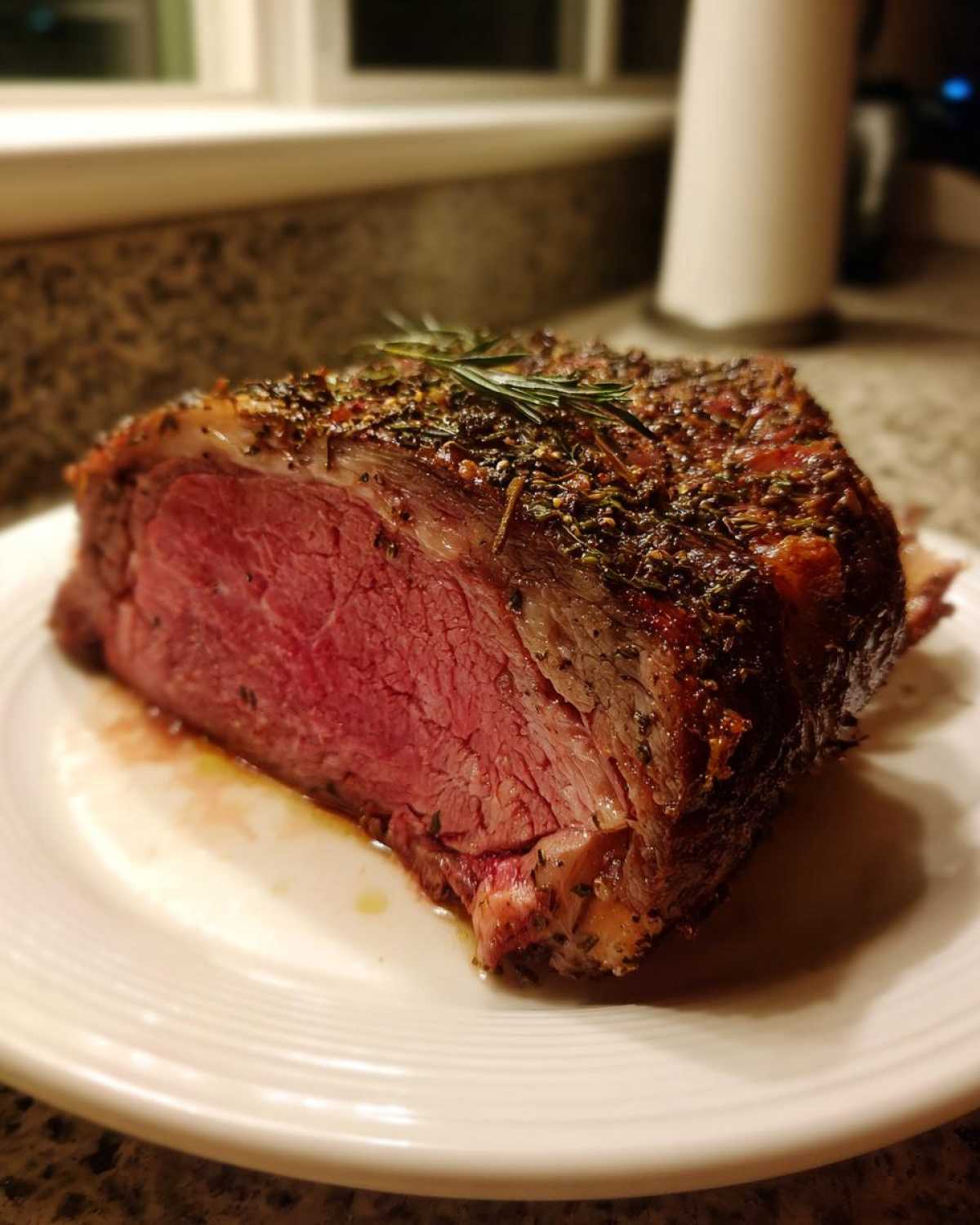
This might be the hardest step because it smells so incredible coming out of the oven, but you must let it rest. Tent it loosely with foil and let it sit for at least 20 minutes. If you cut it too soon, all those beautiful juices that settled during the slow roast will immediately rush out onto your cutting board. Resting allows the meat fibers to relax and redistribute everything, ensuring every slice of your prime rib is juicy.
If you’re trying to manage complex schedules that might otherwise push you toward meal delivery companies, trust me, mastering this roast on a day when you *do* have time is worth it. The satisfaction is unparalleled!
Tips for Success with Your Reverse Sear Prime Rib Guide
If you’re feeling nervous about tackling this impressive roast, please remember that the reverse sear method is literally designed to make you look like a pro, even if this is your first big holiday beef effort! The beauty of this Reverse Sear Prime Rib Guide is that it takes away all the high-stress guesswork. You get such forgiving cooking windows.
My best tip for anyone new to this? Invest in two things: a good cut of meat and, most importantly, an instant-read thermometer. Don’t guess, don’t wonder—just check the temperature! While bone-in always provides that extra layer of flavor we love for a spectacular prime rib, this low-and-slow method works beautifully for boneless roasts too, you just might need to shave off a little time in the oven.
If you want more general tips on making cooking fun and less of a chore, feel free to check out some other advice I’ve shared on the blog. There are tons of simple tricks waiting for you there!
Serving Suggestions for Your Impressive Dinner Roast
You’ve just conquered a massive, beautiful prime rib using the reverse sear, and now it’s time for the fun part: making the rest of the table look just as incredible! Frankly, a roast this good deserves sides that complement it without trying to steal the show. Since this is such an Impressive Dinner Roast, I always lean into things that cook mostly on their own while the roast is resting.
For me, that means rich, earthy sides. Roasted root vegetables—carrots, thick-cut potatoes, and maybe some parsnips tossed with a little olive oil, salt, and pepper—work fantastically in the oven alongside the resting meat. They get beautifully caramelized, which pairs so nicely with the savory beef flavor.
But honestly, no perfect roast is complete without a killer sauce to punch up every bite. We absolutely have to talk about the classic accompaniment.
Making a Simple Prime Rib with Creamy Sauce
You want that sharp, slightly spicy tang to cut through the richness of the beef, and nothing does that better than horseradish cream. You do not need a complicated recipe for this at all, and frankly, the homemade version is miles better than anything jarred. It’s so simple, which keeps my stress levels low. That’s the Pure Cooking Joy standard!
Here’s all you need to make a dynamite Prime Rib with Creamy Sauce:
- Take about 1 cup of good quality sour cream or crème fraîche.
- Stir in 2 to 3 tablespoons of prepared horseradish. Start small; it’s potent!
- Add a tiny splash of white wine vinegar or lemon juice to brighten it up.
- Salt and pepper to taste.
That’s it! Mix it up and let it sit in the fridge while the roast rests. If you happen to have an abundance of Brussels sprouts after making your sides, remember you can always roast them up until they are crispy like these crispy oven Brussels sprouts for another green element.
Storage and Reheating Instructions for Leftover Prime Rib
Oh my goodness, if you even have leftovers—which is a win in itself, because this prime rib disappears fast—you definitely want to treat them kindly! Storing this magnificent roast correctly is just as important as cooking it perfectly. You don’t want all that hard work turning into dry beef the next day!
The absolute best way to store your leftovers is in a truly airtight container in the fridge. I usually let the roast cool down completely first, though some people swear by wrapping it tightly while it’s still slightly warm. Just make sure it’s sealed tight against the air so it doesn’t dry out while resting overnight.

Slicing Thin is Key for Reheating
Here’s where preparation pays off for leftovers. Unless you plan on eating a gigantic cold slice straight from the fridge (which, no judgment!), you should slice any remaining roast thinly against the grain before you store it, or at least slice off what you plan to reheat that day. Thin slices reheat much faster and more evenly, preventing that dreaded temperature contrast where the edges are hot and the middle is still cold.
The Best Method to Reheat Your Tender Roast Beef
We are never going to blast leftover roast beef in the microwave, okay? That’s a tragedy! Since we cooked this to such a perfect temperature, we need to replicate that gentle heat we used in the first place. Pull the thin slices out about an hour before you want to eat.
You have two great options here:
- Stovetop Simmer: This is my favorite for really moist results. Place your thin slices in a small skillet. Add just enough beef broth—or even simple water—to cover the bottom of the pan, maybe half an inch deep. Cover the pan and heat it on the very lowest setting until the meat is warmed all the way through. The moisture from the broth basically steams the beef gently, keeping that internal tenderness.
- Low Oven Warm: If you have a lot of slices, place them tightly in an oven-safe dish and pour a tiny splash of broth over them. Cover the dish tightly with foil (this traps the steam!) and warm it in a 250°F oven for about 15 minutes. It keeps that lovely Tender Roast Beef texture without drying it out.
See? Even leftovers are cooked with joy and care!
Frequently Asked Questions About Cooking Prime Rib
I know you’ve put so much love into preparing this amazing roast, so let’s quickly cover a few burning questions I always get about cooking the prime rib to absolute perfection. Don’t worry if you’re new to this; that’s why I’m here! We want every home cook to feel totally confident when they pull that roast out of the oven.
What is the best internal temperature for prime rib?
This is the most crucial question, and the answer depends entirely on how you like your beef cooked! Remember, the temperature will rise a few degrees while the meat rests, so you need to pull it out before it hits your final target. This is how we guarantee a Perfectly Cooked Roast.
| Desired Doneness | Pull from Oven At: | Final Temp (After Rest): |
|---|---|---|
| Rare | 115°F (46°C) | 120°F (49°C) |
| Medium-Rare | 120°F (49°C) | 125°F (52°C) |
| Medium | 130°F (54°C) | 135°F (57°C) |
For holiday dinners, I always tell people medium-rare is the safest bet for maximum flavor and tenderness in your prime rib.
Can I use a boneless prime rib roast instead?
Yes, absolutely! Boneless sections are easier to carve, which is nice if you’re in a rush entertaining. The cook time difference isn’t huge, but boneless roasts cook slightly faster because there’s no bone insulating the center. If you use a boneless cut, start checking the temperature about 30 to 45 minutes sooner than you would for a bone-in roast. You’ll still use the exact same reverse sear times for that incredible crust!
How does this compare to meal planning services?
That’s a fair question, especially when life gets busy! While I totally understand the appeal of streamlined options like keto meal plan delivery when you’re swamped, nothing compares to making something this truly special yourself. I started this whole blog because I found actual peace creating food, not ordering it. A holiday dinner centerpiece should feel like an act of love, not just another box arriving at the door. Cooking your own prime rib guarantees huge flavor payoff and a massive sense of accomplishment!
Making Your Next Holiday Prime Rib Ideas a Success
Look, I know that serving a show-stopping prime rib for Christmas dinner or any big holiday feast can feel like the ultimate test in the kitchen. It feels like you *have* to get it right, or the whole meal is ruined. But after you use this reverse sear method, I promise that feeling fades away! You’ll have conquered the most impressive beef roast out there, and you probably won’t have even broken a sweat!
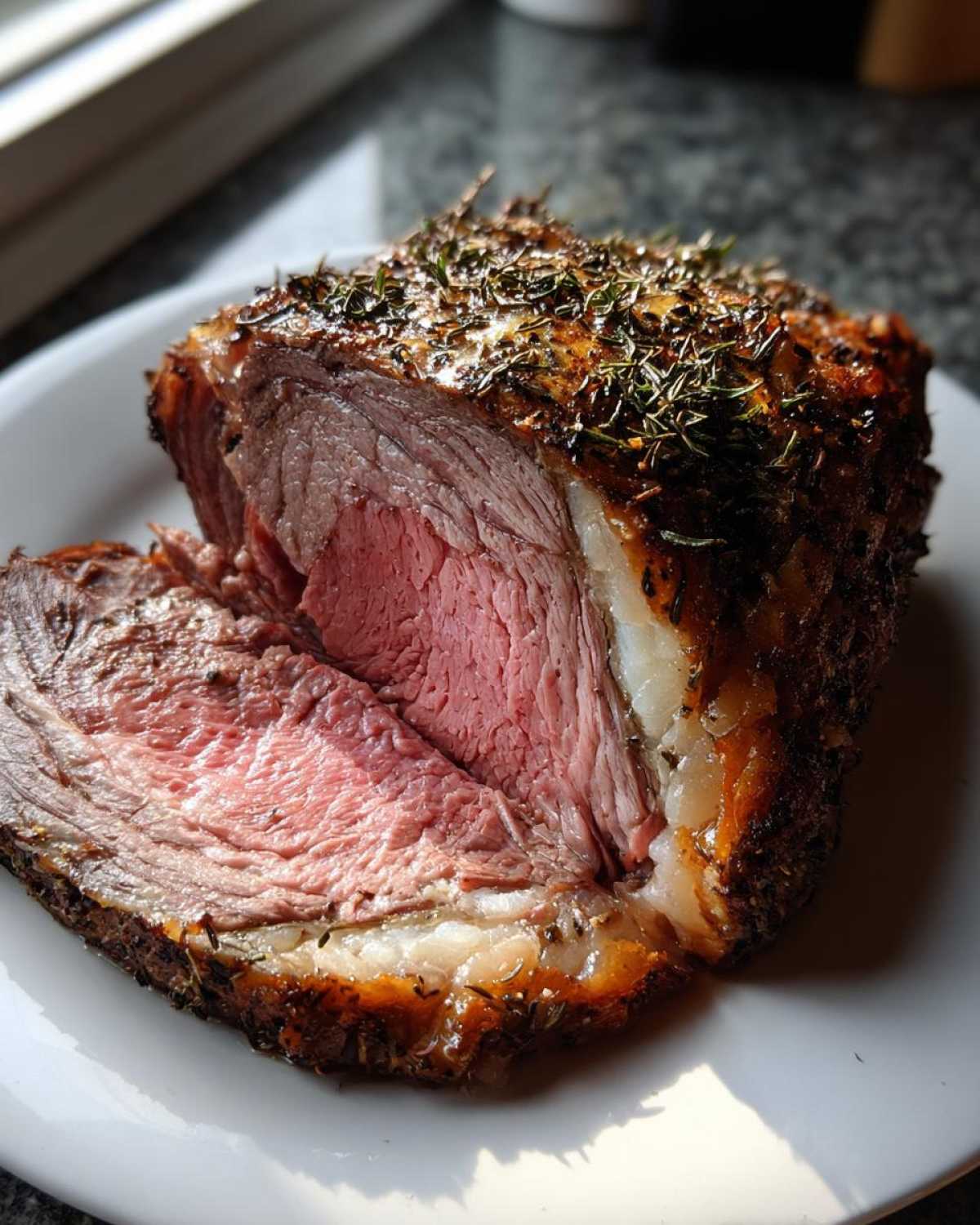
This recipe is my ultimate suggestion for your next grand endeavor, whether it’s impressing the in-laws or just making a Sunday dinner feel like New Year’s Eve. Remember my philosophy: food is our love language, even when it’s a massive cut of beef. Don’t let intimidation stop you from creating something amazing!
If you want to keep things easy on the side while you’re focusing on this beautiful centerpiece, check out my tips for easy entertaining—it’s all about smart prep so you can enjoy the party, too!
You went low heat, you went high heat, you seasoned perfectly—you did the work! Now go slice it up, take a massive bow, and enjoy the look on everyone’s faces when they realize they are eating restaurant-quality beef from *your* kitchen. Seriously, share your successes with me sometime over on my Facebook page! Find me there, and let me know how your perfect holiday prime rib turned out!
Nutrition Estimate for This Prime Rib Recipe
Now, I know that when we are cooking something this decadent for a holiday or a special occasion, talking numbers feels a little less fun, but I always like to be transparent about what’s in the food we make here at Pure Cooking Joy. This information helps you plan the rest of your menu, especially if you’re keeping track of things like sodium or carbs.
Please just remember that since this is a giant roast made with a seasoning rub, these values are exactly what they say they are: an estimate! They are based on the recipe provided here, assuming you’re cutting about a 6-ounce serving after it’s rested, which is a pretty substantial plateful!
Here’s the breakdown for one serving:
- Serving Size: 6 oz cooked
- Calories: 450
- Protein: 40g (I told you this was a satisfying roast!)
- Fat: 30g (Remember, a good chunk of that is rich, flavorful beef fat, which is natural for something like prime rib.)
- Saturated Fat: 12g
- Carbohydrates: 1g
- Sugar: 0g
- Sodium: 550mg
See how low the carbs are? That’s because we kept the rub simple and avoided any sugary marinades—just pure beef flavor! This recipe is naturally low in sugar and carbs, which is great if you’re pairing it with some roasted veggies we talked about earlier. If you have any leftovers and are worried about reheating, just remember to go low and slow, as we discussed, to keep those macros—and that amazing texture—intact!
PrintThe Perfect Reverse Sear Prime Rib Roast for a Show-Stopping Dinner
Follow this simple, step-by-step guide to cook a juicy, tender prime rib roast with a flavorful, crisp crust. This foolproof method removes the stress from cooking impressive beef for holidays or special occasions.
- Prep Time: 20 min
- Cook Time: 4 hours
- Total Time: 4 hours 20 min
- Yield: 6-8 servings 1x
- Category: Main Course
- Method: Reverse Sear Oven Roasting
- Cuisine: American
- Diet: Low Calorie
Ingredients
- 1 (5-7 lb) bone-in prime rib roast, tied
- 2 tablespoons coarse kosher salt
- 1 tablespoon black peppercorns, freshly cracked
- 1 tablespoon dried rosemary
- 1 tablespoon dried thyme
- 4 cloves garlic, minced
- 2 tablespoons olive oil
- 1 tablespoon Dijon mustard
- 1 teaspoon onion powder
- 1 teaspoon garlic powder
- 1 cup beef broth (for pan)
Instructions
- Remove the prime rib from the refrigerator 2 to 3 hours before cooking. Pat the roast completely dry with paper towels.
- In a small bowl, combine the kosher salt, cracked pepper, rosemary, thyme, minced garlic, onion powder, and garlic powder.
- In another small bowl, mix the olive oil and Dijon mustard. Brush this mixture evenly over the entire surface of the roast.
- Rub the herb and salt mixture generously over the mustard coating on the roast.
- Place the roast, fat-side up, on a wire rack set inside a roasting pan. Do not cover.
- Preheat your oven to 250°F (120°C). This is the slow-roast phase.
- Place the roast in the preheated oven. Cook until the internal temperature reaches 115°F (46°C) for rare or 120°F (49°C) for medium-rare. Use a reliable meat thermometer inserted into the thickest part of the meat, avoiding the bone. This can take 3 to 5 hours depending on size.
- Once the target internal temperature is reached, carefully remove the roast from the oven. Increase the oven temperature to 450°F (230°C).
- While the oven heats, pour the beef broth into the bottom of the roasting pan to prevent drippings from burning.
- Return the roast to the 450°F (230°C) oven. Sear for 10 to 15 minutes, or until the exterior crust is deep brown and crisp. Monitor closely to prevent burning.
- Remove the roast from the oven. Tent loosely with foil and let it rest for at least 20 minutes before slicing against the grain.
- Serve immediately with your favorite sides, like a creamy horseradish sauce. This method is superior to many meal planning approaches when you want a truly memorable meal.
Notes
- For the best results and a crisp crust, allow the roast to air-dry uncovered in the refrigerator overnight after applying the rub.
- If you are new to cooking large roasts, using a high-quality instant-read thermometer is the key to success. This is a simple technique that delivers restaurant quality beef.
- If you are considering options like meal delivery companies, remember that preparing a centerpiece like this yourself offers unmatched flavor and satisfaction.
Nutrition
- Serving Size: 6 oz cooked
- Calories: 450
- Sugar: 0
- Sodium: 550
- Fat: 30
- Saturated Fat: 12
- Unsaturated Fat: 18
- Trans Fat: 0
- Carbohydrates: 1
- Fiber: 0
- Protein: 40
- Cholesterol: 140
