 Print
PrintThe Ultimate Fluffy and Creamy Scrambled Eggs: Low & Slow Technique Mastery
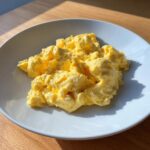
I’m Alex, and I want to show you the foolproof low-and-slow technique to achieve the ultimate soft, velvety, and fluffy scrambled eggs every single time. Stop making tough eggs; this easy breakfast recipe guarantees perfect egg texture for your gourmet brunch.
- Prep Time: 5 min
- Cook Time: 8 min
- Total Time: 13 min
- Yield: 2 servings 1x
- Category: Breakfast
- Method: Stovetop Cooking
- Cuisine: American
- Diet: Vegetarian
Ingredients
Scale
- 6 large eggs
- 3 tablespoons heavy cream (or milk for slightly less richness)
- 1 tablespoon unsalted butter
- 1/4 teaspoon fine sea salt
- Pinch of black pepper
- Optional: 1/4 cup shredded sharp cheddar cheese
Instructions
- In a medium bowl, whisk the eggs, heavy cream, salt, and pepper together until the yolks and whites are fully combined and slightly frothy. Do not over-whisk; you are just mixing them, not incorporating too much air.
- Place a non-stick skillet over medium-low heat. Add the butter and let it melt completely until it foams slightly.
- Pour the egg mixture into the skillet. Let the eggs sit undisturbed for about 30 seconds until the edges just begin to set.
- Using a heat-resistant rubber spatula, gently push the cooked egg from the edge toward the center, tilting the pan so the uncooked egg flows underneath.
- Continue this low and slow cooking method, moving the spatula around the pan every 10-15 seconds, scraping the bottom gently. This builds soft, large curds.
- If you are adding cheese, sprinkle it in when the eggs are about 70% set (still quite wet). Gently fold it in.
- Continue cooking until the eggs are mostly set but still look moist and slightly glossy. This is the key to creamy scrambled eggs. Remove the pan from the heat immediately. The residual heat will finish cooking them to perfection.
- Serve immediately on warm plates for a restaurant-style breakfast.
Notes
- For extra protein, substitute 1/4 cup of cottage cheese (blended smooth first) for the heavy cream.
- If you prefer a richer, more velvety texture, use only low heat and stir constantly, removing the pan from the heat every 20 seconds to control the temperature.
- Do not cook these eggs until they look dry; they should look slightly underdone when you take them off the heat.
Nutrition
- Serving Size: 1 serving
- Calories: 320
- Sugar: 2
- Sodium: 250
- Fat: 24
- Saturated Fat: 13
- Unsaturated Fat: 11
- Trans Fat: 0.5
- Carbohydrates: 3
- Fiber: 0
- Protein: 20
- Cholesterol: 450