 Skip to content


If your typical morning routine results in dry, rubbery, or flat scrambled eggs, I totally get it. For years, that was me! I used to think cooking eggs fast over high heat was the only way, and I’d end up with something closer to a rubber bouncy ball than a beautiful breakfast. But trust me, we are changing that narrative starting right now. I’m Alex, and I’ve finally perfected the foolproof low-and-slow technique that guarantees the ultimate soft, velvety, and fluffy scrambled eggs every single time. Say goodbye to stressed-out breakfasts; making amazing scrambled eggs is about patience, not speed, and I can’t wait to show you the secrets I learned blending simple tradition with a little bit of gourmet TLC right in my kitchen. If you want to know more about my journey from corporate burnout to culinary joy, you can always check out my story on the About Page!
I spent way too long accepting mediocrity in my morning meals before I committed to mastering egg texture. It’s shocking how much better eggs taste when you treat them gently! By stepping back, lowering the heat, and paying attention to the butter, we create restaurant-style eggs that taste like pure comfort. Are you ready to elevate your easy breakfast game?
- Why This Low & Slow Technique Makes the Best Scrambled Eggs
- Ingredients for Ultimate Fluffy and Creamy Scrambled Eggs
- How to Prepare Perfect Soft Scrambled Eggs Using the Low & Slow Method
- Tips for Success When Making Fluffy Scrambled Eggs
- Serving Suggestions for Your Gourmet Breakfast Eggs
- Storing and Reheating Creamy Scrambled Eggs
- Frequently Asked Questions About Perfect Scrambled Eggs
- Nutritional Estimates for These Scrambled Eggs
- Share Your Ultimate Fluffy Scrambled Eggs Experience
Why This Low & Slow Technique Makes the Best Scrambled Eggs
The battle against rubbery eggs is won on the stovetop with temperature control. When you crank the heat up high, those proteins in the eggs seize up almost instantly! That speed cooks all the moisture right out of the final product, leaving you with stiff, dry pieces. Honestly, that’s the biggest mistake I see people making when they cook scrambled eggs.
Our approach flips that script entirely. By keeping the heat low—we’re talking medium-low, maybe even lower if your stove runs hot—we encourage the proteins to link up slowly. This gradual setting process is how we achieve true mastery over egg texture. It feels counterintuitive since we are always looking for quick easy breakfast ideas, but trust me, it’s worth that extra minute or two!

Achieving Fluffy Scrambled Eggs Every Time
Fluffiness doesn’t come from adding baking soda, folks; it comes from gentle heating that lets steam build up slowly inside those forming curds. When the heat is low, the eggs cook gently from the bottom up, creating soft, pillowy folds instead of hard chunks. This tenderness is exactly what makes for truly fluffy scrambled eggs recipe results that hold their shape beautifully without getting chewy. It’s basically magic, but the magic is just science!
The Secret to Creamy Scrambled Eggs Technique
Creaminess happens because we use fat liberally—butter right in the pan and heavy cream in the mix! This fat coats the proteins, preventing them from bonding too tightly. The ultimate trick in the creamy scrambled eggs technique, though, is knowing when to stop. I always pull the eggs off the heat when they still look slightly wet and glossy. That retained moisture, combined with the fat, gives you those luxurious, velvety scrambled eggs you dream about.
Ingredients for Ultimate Fluffy and Creamy Scrambled Eggs
Okay, ingredient quality really matters here, even for something this simple! Since we are cooking low and slow, we don’t need a ton of fancy ingredients, but we absolutely need the right ones. Don’t skimp on the butter; it’s what gets those initial curds started off right and adds that wonderful buttery flavor we’re aiming for.
Here’s what you need to gather up for two amazing servings of scrambled eggs:
- 6 large eggs – And please, use the best ones you can find!
- 3 tablespoons heavy cream (This is my non-negotiable for richness, but milk works if you’re cutting back.)
- 1 tablespoon unsalted butter (Use real butter, it’s non-negotiable for that gourmet flavor!)
- 1/4 teaspoon fine sea salt
- A tiny pinch of black pepper
- Optional: 1/4 cup shredded sharp cheddar cheese for that classic gooey goodness.
Just a quick note for my fitness-focused friends: If you’re looking for high protein scrambled eggs without sacrificing the good texture, try swapping the heavy cream for 1/4 cup of cottage cheese. If you want to see another way I use cottage cheese to boost breakfast, check out my recipe for Blueberry Cottage Cheese Muffins! But please make sure you blend that cottage cheese smooth first—otherwise, you end up with chunks, and we want velvety eggs here!
How to Prepare Perfect Soft Scrambled Eggs Using the Low & Slow Method
This is where the magic happens, and honestly, this whole process flies by! Even though we call it low and slow, the total cooking time is still beautifully fast, meaning you get quick easy breakfast eggs that feel totally gourmet in about 8 minutes. Remember, the goal here is creating those perfect soft curds, which is the hallmark of really good scrambled eggs. If you’re looking for other fast morning treats, I have a fantastic Easy French Toast recipe that’s ready almost as fast!
Prepping the Egg Mixture for Velvety Scrambled Eggs
Before that pan even hits the heat, we need to treat our eggs kindly. Grab your bowl with the whisked eggs, cream, salt, and pepper. I know some people swear by beating them until they are completely airy, but for this velvety texture, you just want them combined—think gentle mixing until the yolks and whites are married, but not overly frothy. Over-whisking incorporates too much air too early, which can lead to a lighter, fluffier texture that isn’t quite as rich as the creamy style we are aiming for here.
We add the salt now because it helps break down the proteins slightly, which contributes to that amazing, tender texture. Trust me, letting the salt sit with the eggs for the few minutes it takes to heat the pan is worth it!
The Stovetop Technique for Restaurant Style Eggs
Now, turn your burner to medium-low. Seriously, low! Melt that tablespoon of butter until it foams nicely—that tells you the pan is warm and ready to go. Pour in your egg mixture and just let it sit, undisturbed, for about 30 seconds. You’ll see the edges start to look just a tiny bit set.
Next comes the gentle movement, which is the secret to how to make restaurant style eggs. Take your rubber spatula and gently push the cooked section from the edge toward the center. Tilt the pan so the runny egg sloshes right underneath where you just pushed. You are building large, soft sheets of cooked egg, not scrambling them into tiny pieces right away. Keep doing this—push, tilt, wait 10 seconds, push again—all around the pan. This builds those gorgeous, thick layers.

Keep watching them closely! As soon as they start to look about 70% done—meaning they are set but still look quite wet and glossy on top—you need to yank that pan off the heat immediately. That residual heat from the pan and the eggs themselves will keep them cooking perfectly for the last minute. If you wait until they look fully cooked on the stove, they will be completely overdone by the time they hit your plate. Serve these immediately for the very best creamy mouthful!
Tips for Success When Making Fluffy Scrambled Eggs
Once you master the low-and-slow heat, the next step is fine-tuning your additions to make these the absolute best scrambled eggs you’ve ever made. It’s all about those small choices that push the flavor over the top—think beyond just salt and pepper!
To really nail that rich, buttery scrambled eggs flavor we talked about, make sure you use beautiful unsalted butter and consider adding a tiny swirl of high-quality melted garlic butter right at the end, just before serving. It pumps up the flavor profile beautifully for a wonderful gourmet breakfast eggs experience. If you love garlic butter as much as I do, you should check out my recipe for Easy Garlic Butter; it’s fantastic on toast alongside these eggs!
When it comes to cheese, timing is everything for those great cheesy scrambled eggs ideas. Don’t add the cheddar or Gruyère right at the beginning! Wait until the eggs look mostly set but are still wet on top. Sprinkle it in then, and gently fold it two or three times. This lets the cheese melt just enough to become gooey without drying out the eggs underneath it. Perfection!

Ingredient Variations for High Protein Scrambled Eggs
If you’re boosting the protein content, remember the blender is your best friend here. We need that rich, smooth texture, not curds of cottage cheese floating around in your otherwise lovely batch of eggs! For those high protein scrambled eggs, take that 1/4 cup of cottage cheese and blend it until it is completely smooth—it should look like a thick cream.
You can swap this blended cottage cheese directly for the heavy cream in the main recipe. It works brilliantly because the blending breaks down the curds entirely, meaning you get the same fantastic silkiness and richness, plus that extra nutrient boost, without compromising the lovely pale yellow color of your final product. It’s a simple trick for a more satisfying, filling breakfast!
Serving Suggestions for Your Gourmet Breakfast Eggs
Okay, so you’ve nailed the texture—your scrambled eggs are fluffy, creamy, and ready to eat. Now we have to decide what beautiful things to serve them with! Since these eggs are so rich and buttery on their own, they pair perfectly with things that offer a nice textural contrast or a little tang.
For a simple weekday win, I always go for perfectly toasted sourdough bread. You need something sturdy to scoop up those velvety-soft curds. A sprinkle of finely chopped fresh chives or parsley right before serving really makes the colors pop and adds a nice fresh garden note.

If you’re putting together some elaborate brunch egg recipes for company, try making a small side of my French Onion Butter Rice. It sounds crazy with eggs, I know, but the savory depth is unbelievable alongside the richness of the cream and eggs. Or, keep it classic with fresh avocado slices and a sprinkle of everything bagel seasoning. It’s quick, colorful, and tastes incredible!
Storing and Reheating Creamy Scrambled Eggs
Truthfully, these soft scrambled eggs reach their peak right when they come out of the pan, so I always try to eat them immediately! But life happens, right? If you do have leftovers, the best way to store them is in an airtight container in the fridge for no more than a day. They will firm up a bit, which is unavoidable.
When reheating, *do not* use the microwave unless you absolutely have to, or they will turn chewy instantly. Instead, put your leftovers into a small non-stick pan over very low heat. Add a splash—maybe a teaspoon—of extra cream or even just water, and gently stir them until they are warmed through. This moisture helps bring back some of that creamy texture we worked so hard to achieve!
Frequently Asked Questions About Perfect Scrambled Eggs
Can I use milk instead of heavy cream for these fluffy scrambled eggs?
You absolutely can! Heavy cream just gives you that ultimate, decadent richness because of the higher fat content, which is what really helps create those velvety scrambled eggs. If you use regular milk, the eggs will still be great and definitely fluffy, but they won’t have that same deep, buttery mouthfeel. It’s a trade-off for a slightly lighter, quick easy breakfast eggs option. I’d recommend low-fat milk if you’re trying to cut richness, but whole milk works best if you have it!
How do I stop my scrambled eggs from getting rubbery or dry?
This is the golden rule of mastering egg texture! The single biggest reason eggs turn rubbery is high heat. If you cook them fast, they seize up and expel all their moisture. Always stick to the low-and-slow method we used here—medium-low heat at the very most. And here’s the second part: always pull your eggs off the heat when they look slightly *underdone*. The carryover heat in the pan is powerful and will finish the cooking process beautifully, ensuring you get perfect soft scrambled eggs instead of tough ones.
Is the Gordon Ramsay method for creamy scrambled eggs different from this one?
That’s a great question that comes up a lot! Yes, there is a difference, though both methods aim for creamy perfection. Chef Ramsay famously cooks his eggs constantly over *very* low heat, adding crème fraîche or butter right into the pan every 30 seconds or so, often taking the pan *off* the heat entirely for several seconds at a time. My method is similar in spirit—low and controlled—but I find adding the cream beforehand and letting the eggs set up slightly before pushing them results in those lovely, large folding curds that people love in a classic fluffy scrambled eggs recipe, whereas his often results in a finer, smoother custard. Both are great, but this one is easier for a busy morning!
What’s the best way to add cheese for cheesy scrambled eggs ideas without ruining the texture?
Timing is everything for cheesy scrambled eggs ideas. If you add the cheese in too early, the salt and moisture in the cheese compound can start to interfere with the egg setting process, sometimes making the whole mixture tighter and less fluffy. Wait until those eggs are about 70% cooked—when they are set but still look very wet and glossy on top. Sprinkle your cheese in then and gently fold it through just until it melts nicely. That way, the cheese gets soft and gooey without overcooking the surrounding egg. It’s the key to happy, melty, non-stringy results!
How quickly can I actually make this recipe?
If you’re looking for easy weekday breakfast ideas, this recipe is fantastic because the actual cooking time is super short! Prep takes about five minutes while you whisk everything, and the cooking clocks in around 8 minutes. So, you can have truly gourmet, perfectly textured scrambled eggs ready to eat in under 15 minutes total. That’s much faster than most baked brunch egg recipes, trust me!
If you have any other burning questions about turning your breakfast routine upside down, please don’t hesitate to reach out to me directly through the contact page. I love hearing from all of you!
Nutritional Estimates for These Scrambled Eggs
I always like to provide a heads-up on what’s in our food here, even though I’m not a certified nutritionist! Since we are using heavy cream and eggs generously in this recipe, these beautiful, rich scrambled eggs are higher in protein and fat, which is what makes them so satisfying and keeps you full until lunch.
Please remember, these are just estimates based on the recipe card, and they will change slightly depending on the exact size of your eggs or the brand of butter you use. If you are counting macros or watching sodium carefully, always check your labels! You can read more about how I handle information like this over on my Disclosure Policy page.
Here is what you can generally expect for one serving:
- Calories: Around 320
- Protein: 20g (That’s fantastic!)
- Fat: 24g (Remember, a lot of this is the good, heavy cream fat!)
- Carbohydrates: 3g
- Sugar: 2g
- Cholesterol: 450mg (Yes, eggs are high, but don’t stress over dietary cholesterol too much unless advised by your doctor!)
This breakdown really shows why this recipe is such a satisfying treat. It’s rich in flavor and keeps you full, making it perfect for a weekend brunch or a slower morning!
Share Your Ultimate Fluffy Scrambled Eggs Experience
And there you have it—the secret to ditching those dry, sad breakfast eggs forever! I really hope that sitting over that medium-low heat for just a few minutes has brought you the same sense of peace and culinary accomplishment that it brought me when I first figured it out. It truly transforms such a simple dish into something spectacular.
Now, I’d absolutely love to hear about your results! Did you achieve that velvety, creamy texture you were hoping for? Did the low-and-slow method feel strange at first, but totally pay off in the end? Please drop a comment below and let me know your thoughts on these scrambled eggs.
If you’re feeling proud of your perfectly cooked breakfast, snap a photo and tag me on social media! Seeing your kitchen creations makes my day and reminds me that this whole Pure Cooking Joy adventure is worth it. You can tag us over on Facebook at Pure Cooking Joy. Happy cooking, my friend, and I can’t wait to see your beautiful, fluffy results!
PrintThe Ultimate Fluffy and Creamy Scrambled Eggs: Low & Slow Technique Mastery
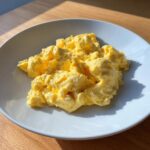
I’m Alex, and I want to show you the foolproof low-and-slow technique to achieve the ultimate soft, velvety, and fluffy scrambled eggs every single time. Stop making tough eggs; this easy breakfast recipe guarantees perfect egg texture for your gourmet brunch.
- Prep Time: 5 min
- Cook Time: 8 min
- Total Time: 13 min
- Yield: 2 servings 1x
- Category: Breakfast
- Method: Stovetop Cooking
- Cuisine: American
- Diet: Vegetarian
Ingredients
- 6 large eggs
- 3 tablespoons heavy cream (or milk for slightly less richness)
- 1 tablespoon unsalted butter
- 1/4 teaspoon fine sea salt
- Pinch of black pepper
- Optional: 1/4 cup shredded sharp cheddar cheese
Instructions
- In a medium bowl, whisk the eggs, heavy cream, salt, and pepper together until the yolks and whites are fully combined and slightly frothy. Do not over-whisk; you are just mixing them, not incorporating too much air.
- Place a non-stick skillet over medium-low heat. Add the butter and let it melt completely until it foams slightly.
- Pour the egg mixture into the skillet. Let the eggs sit undisturbed for about 30 seconds until the edges just begin to set.
- Using a heat-resistant rubber spatula, gently push the cooked egg from the edge toward the center, tilting the pan so the uncooked egg flows underneath.
- Continue this low and slow cooking method, moving the spatula around the pan every 10-15 seconds, scraping the bottom gently. This builds soft, large curds.
- If you are adding cheese, sprinkle it in when the eggs are about 70% set (still quite wet). Gently fold it in.
- Continue cooking until the eggs are mostly set but still look moist and slightly glossy. This is the key to creamy scrambled eggs. Remove the pan from the heat immediately. The residual heat will finish cooking them to perfection.
- Serve immediately on warm plates for a restaurant-style breakfast.
Notes
- For extra protein, substitute 1/4 cup of cottage cheese (blended smooth first) for the heavy cream.
- If you prefer a richer, more velvety texture, use only low heat and stir constantly, removing the pan from the heat every 20 seconds to control the temperature.
- Do not cook these eggs until they look dry; they should look slightly underdone when you take them off the heat.
Nutrition
- Serving Size: 1 serving
- Calories: 320
- Sugar: 2
- Sodium: 250
- Fat: 24
- Saturated Fat: 13
- Unsaturated Fat: 11
- Trans Fat: 0.5
- Carbohydrates: 3
- Fiber: 0
- Protein: 20
- Cholesterol: 450
