 Skip to content


Oh, I am so glad you wandered in here. Honestly, there’s nothing that says summer abundance quite like turning a mountain of fresh cucumbers into something absolutely magical. For me, that magic is capturing that perfect sweet and tangy pop in a jar. We’re diving into what I genuinely think is the best bread and butter pickle recipe out there. Forget those watery, limp versions you sometimes find!
What I love about this particular formula is that it’s flexible. Whether your goal is preserving cucumbers summer harvest for months in the pantry, or you just need a batch of quick refrigerator pickles ready for tonight’s burgers, this recipe handles both beautifully. It delivers that satisfying, signature crunch and that bright, sweet-and-sour flavor every single time. It’s moments like these, turning simple fridge staples into something special, that remind me why I love being a kitchen person.
If you’re new to this, don’t you worry one bit. Head on over to my main blog page sometime to read more about finding joy in simplicity!
- Why This is the Best Bread and Butter Pickle Recipe
- Ingredients for Homemade Bread and Butter Pickles
- Step-by-Step Instructions for Classic Bread and Butter Pickles
- Canning vs. Refrigerator Guide for Your Bread and Butter Pickle Batch
- Tips for Perfect Old Fashioned Bread and Butter Pickles
- How to Serve Your Homemade Sweet Pickles
- Storing Your Homemade Bread and Butter Pickles
- Frequently Asked Questions About Bread and Butter Pickles
- Sharing Your Sweet and Tangy Pickles Success
Why This is the Best Bread and Butter Pickle Recipe
So, why am I so obsessed with this specific way of making bread and butter pickles? Truly, it’s the results! You don’t just get pickles; you get jars of concentrated summer sunshine that snap when you bite them. This method cuts directly to the best parts of pickling without any fuss.
- It creates the most satisfying crunchy cucumber pickles imaginable. Seriously, they squeak!
- The flavor payoff is immediate, giving you that signature sweet and tangy pickles recipe profile.
- It works whether you need to preserve a huge haul or just want a quick pickle recipe batch for the week.
This isn’t just throwing cukes in vinegar; we use smart traditional steps to ensure perfection every time.
Achieving the Perfect Crunchy Texture
The absolute secret weapon here is Step 1—the ice bath! You need to draw out as much water as possible from those cucumbers and onions before they ever see the brine. When you mix those slices with salt and ice, you are essentially sucking the moisture right out of the cell walls. This pre-soak means the vinegar and sugar haven’t just saturated watery flesh; they’ve soaked into firm, dense slices. This is fundamental if you want your bread and butter pickle to last and stay wonderfully crisp long after they’re made.

The Sweet and Tangy Vinegar Sweet Pickle Brine Balance
The name itself—Bread and Butter—tells you everything about the flavor, right? It needs to walk that tightrope between sweet and sharp. We use white vinegar, which provides that sharp tang, perfectly countered by the full cup of granulated sugar. Those little spices, like the turmeric for color and the celery seed for that earthy whiff of tradition, just lock in that nostalgic taste. Get this brine balance right with your bread and butter pickle recipe, and you’ve won half the battle!
Ingredients for Homemade Bread and Butter Pickles
Okay, here we go! This is where precision matters. If we are going to end up with crunchy, perfect jars of homemade bread and butter pickles, we need to measure carefully. Don’t try to eyeball the salt or the sugar here; the balance is everything for preservation and flavor. Having everything ready before we start the salting process makes everything so much smoother.
You are going to need:
- 3 lbs pickling cucumbers, thinly sliced (Please use pickling cucumbers! They hold up better than sandwich cukes.)
- 2 medium yellow onions, thinly sliced
- 1/4 cup pickling salt (This is important—regular table salt can make the brine cloudy.)
- 4 cups ice (Don’t skip this! It works with the salt to start the dehydration process.)
- 2 cups white vinegar
- 2 cups granulated sugar
- 1 teaspoon celery seed (This gives that classic “dill-adjacent” flavor so many people crave.)
- 1 teaspoon mustard seed
- 1/2 teaspoon ground turmeric (Just for that gorgeous, sunny yellow color!)
- 1/4 teaspoon ground cloves
See? Not complicated at all. We’ve got our main vegetables, our brine components, and those wonderful warming spices that make this an old fashioned pickle recipe. Once you’ve gathered these, you can jump right into the prep work. I always organize mine into two bowls—one for the veggies that need salting, and one for the spice mix that goes into the brine later. You can check out my easy hibachi steak recipe sometime for another great way to use up onions!
Step-by-Step Instructions for Classic Bread and Butter Pickles
Alright, deep breath! This is where we transform those beautiful, raw vegetables into glorious, shelf-stable snacks. Seriously, following these steps exactly is the difference between a soggy pickle and one that snaps satisfyingly when you bite it. Keep that water bath canner ready if you’re planning on preserving the whole batch, but even if you’re just making refrigerator pickles, the initial prep is super important.
Remember that 3-hour rest time? That’s non-negotiable for that perfect texture. And once they hit the heat, we move fast! We are only simmering this batch for two minutes total. Two minutes! If you walk away for a second, you risk turning all those crunchy cucumbers into mush. Trust me on this one; timing is everything when making bread and butter pickle.
You can check out my guide on making easy pumpkin bread if you need a relaxing baking project to do while your cucumbers are brining!
The Essential Brining and Draining Process
We kick things off by working on drawing out that excess water. Grab your sliced cucumbers and onions, toss them together in a big bowl, and then generously sprinkle that pickling salt over everything. Next, dump those 4 cups of ice over the top. You stir this mixture—and this is important—every hour on the hour for three full hours. It sounds like forever, but this long soak is the foundational technique for quality bread and butter pickle texture.

Once those three hours are up (set a timer!), you drain off all that salty liquid. Then we rinse. And I mean *rinse*. Run cold water over those slices in a colander for several minutes. You need to wash away every trace of that initial saltiness. After a good rinse, drain them as completely as you possibly can. Shake that colander good!
Simmering the Brine and Cooking the Slices
Time for the flavor, folks! Take a large, non-metal pot—stainless steel is perfect—and combine your vinegar, the full 2 cups of sugar, celery seed, mustard seed, turmeric, and cloves. Get this mixture going over medium-high heat. Stir it continuously until that sugar is completely dissolved. We want it clear!
When the brine is boiling, gently add your well-drained cucumbers and onions. The temperature is going to drop immediately, which is fine. We are bringing it RIGHT back up to a full simmer. And here’s the warning banner: Cook them officially for exactly 2 minutes. No longer! Keep an eye on the clock. Overcooking these crunchy cucumber pickles is the number one way to lose that lovely snap we worked so hard to achieve in the ice bath.
When those two minutes are up, take that pan *off* the heat immediately. We need to get moving on packaging these beauties now!
Canning vs. Refrigerator Guide for Your Bread and Butter Pickle Batch
Okay, we’ve simmered the brine and cooked those veggies for exactly two minutes—it’s decision time! We need to get these hot cukes into jars quickly so they absorb that yummy brine while they are still warm. This recipe is fantastic because you don’t have to choose just one path; you can do a small batch for the fridge and seal up the rest for later. If you’re new to this whole preservation thing, don’t let the canning part scare you. It’s really just boiling the sealed jars for a set time!
If you’d rather skip the whole water bath process, no sweat. This is where we talk about the refrigerator pickles guide option. It’s faster, easier, and gives you fantastic pickles ready to eat much sooner!
Refrigerator Pickles (The Quick Route)
This is your best bet if you need a vibrant, fresh flavor boost for your next barbecue or sandwich batch, like maybe alongside the cranberry brie appetizer I shared last month! Once the pot is off the heat (that was Step 5):
- Pack the warm cucumbers and onions right into your clean, non-canning jars. Leave about half an inch of space at the top—that’s called headspace.
- Ladle that hot brine right over the pickles until they are fully submerged.
- Seal those jars with their regular lids and let them hang out on the counter until they cool down completely.
Honestly, they are edible once they cool, but they are seriously heavenly after about 24 hours chilling in the fridge. These refrigerator pickles won’t last as long as the canned ones, but they sure are fast!
Canning for Long-Term Storage
If you harvested enough cucumbers to feed the whole block (I’ve been there!), canning is the way to go. You need sterilized jars for this, of course. Follow the packing instructions above (filling jars, maintaining headspace), but then we move to the serious preserving!

- Wipe those jar rims spotless—any drips can prevent a good seal. Put your lids on and tighten the bands fingertip tight. I mean it: fingertip tight, not wrench tight!
- Place your jars into your boiling water bath canner. Process them for exactly 10 minutes.
A quick note for my friends living high up in the mountains: If you are above a certain elevation, you *must* adjust that processing time! Safe home canning relies on precise temperature exposure, so always check local guidelines for altitude adjustments. It’s a crucial step for food safety when preserving something like these homemade sweet pickles, even if the brine has plenty of vinegar!
Once done, pull them out carefully and let them sit undisturbed for a full day. You’ll hear those lovely pops as the jars seal up tight. If you want to follow my day-to-day kitchen adventures, you can find me over on Facebook!
Tips for Perfect Old Fashioned Bread and Butter Pickles
Now that you’ve walked through the hard part—the brining and the cooking—let’s talk about how to polish this off so it truly tastes like an old fashioned pickle recipe. These little details turn good pickles into *great* pickles. I always say that the difference between an okay batch and a show-stopping batch is just paying attention to a few key things in the final stages.
We want that fantastic sweet and tangy contrast, and we want the crunch to last all winter long. If you follow the main recipe, you’re 90% there, but these extra thoughts from my kitchen will help you nail that nostalgic flavor profile.
Ingredient Notes and Substitutions for Sweet Pickles Recipe
First off, let’s talk about the cucumbers themselves. If you are doing this in the summer when the garden is exploding, use them right away! If you have to buy them, look for smaller pickling varieties. And please, check the freshness. The fresher the cucumber, the better your final bread and butter pickle will be. That’s my absolute expert tip for a snappy pickle!
Inside the brine, the celery seed is non-negotiable. It’s what gives these homemade sweet pickles that specific, slightly earthy warmth that separates them from plain sweet pickles. It’s subtle, but without it, the flavor falls flat. Keep the white vinegar, too! While you *could* experiment with apple cider vinegar, white vinegar gives you that crystal-clear liquid and the crispest, cleanest tang necessary for true bread and butter flavor.

Here are a few quick hits from the recipe notes that you should keep handy:
- Slice those vegetables thinly! It helps them grab onto the brine, and it makes for a much better eating texture.
- Want a tiny bit of heat? Toss in 1/4 teaspoon of dried red pepper flakes when you add the seeds to the brine. It gives a lovely little kick that wakes everything up.
- Don’t forget to try these alongside my famous easy strawberry pie recipe sometime—the tartness cuts through the sweetness perfectly!
How to Serve Your Homemade Sweet Pickles
So you’ve done the work, you sterilized the jars, and now you have these bright, tangy, crunchy treasures. What now? Honestly, the best part of making homemade bread and butter pickles is figuring out the perfect moment to pull one out of the jar! They are so versatile; they go way beyond just sitting on a plate next to your meal.
The classic spot, of course, is elevating your sandwiches. These aren’t just standard pickle chips; these are *event* pickles. Toss a few layers of these slices onto your next grilled cheese or your favorite ham sandwich. They bring the moisture and the necessary pucker to cut through rich cheese or salty deli meat. If you’re making a classic burger, skip the neon-green dill slices and grab these instead. They make an ideal sandwich pickle slices recipe contribution!
But don’t stop there! They are fantastic diced up and mixed into potato salad or mixed with mayonnaise for a quick tartar-style spread. They are also the perfect cooling side dish when you’re serving up something heavy like pulled pork or BBQ ribs. Seriously, they are sunshine in a jar. If you need a savory main to serve these beauties with, check out my killer recipe for creamy bacon ranch pasta salad—the sweet pickle is the perfect counterpoint!
Storing Your Homemade Bread and Butter Pickles
This is the part where all your hard work pays off! Knowing how to store your bread and butter pickle batch correctly is just as important as nailing that blanching time. Whether you used the quick refrigerator method or went through the whole canning process, the storage is slightly different. We want to make sure every single jar stays safe, crisp, and ready to pop open whenever that craving hits!
For me, the goal is always to preserve that amazing flavor and crunch as long as possible. If you’re anything like me, you’ll have a few jars slated for immediate consumption and a few set aside for later. This way, you get instant gratification *and* long-term security!
If you need a comforting side dish for your pickles right now, you absolutely have to try my recipe for creamy garlic mashed potatoes. The sweet tang of these pickles cuts through the richness perfectly!
Refrigerator Pickles Storage (The Quick Nibble Batch)
If you opted for the refrigerator method, your priority is keeping them cold so they stay nice and crisp. Once those jars have cooled down on the counter, get them straight into the fridge. Since these haven’t gone through the water bath sealing process, they rely solely on the vinegar and cold temperatures for preservation. The good news is that they taste better the longer they sit! They’ll usually keep great for about two months in the refrigerator, but honestly, they rarely last that long around here.
Just make sure you always use clean utensils when pulling slices out of the jar. Introducing anything warm or dirty in there can encourage spoilage, even in the cold fridge environment.
Canned Bread and Butter Pickles Shelf Life (The Long Haul Jars)
For the jars you properly processed in that boiling water bath, you’ve got long-term peace of mind! Once those jars are sealed and cooled completely (and you’ve checked that button in the middle hasn’t popped up), they are shelf-stable. You want to store these sealed jars in a cool, dark, and dry place—a pantry or a cupboard away from the stove is ideal.
When stored properly in the dark, these homemade bread and butter pickles can last a very long time—I’m talking up to a year! They will still be safe and tasty past 12 months, but you might notice a tiny bit of flavor fading or the color softening up slightly after that first year. But trust me, the day you open one of these perfectly preserved jars is a great day!
Frequently Asked Questions About Bread and Butter Pickles
I completely get it—when you’re new to pickling, or even when you’re making something you haven’t done since last year’s harvest, you end up with a ton of questions! That’s totally normal in the kitchen, especially when we are dealing with canning safety. I’ve put together some of the things I get asked most often about making these homemade bread and butter pickles. Hopefully, this helps you feel confident tackling your batch!
How long do I have to wait before I can eat the refrigerator pickles?
This is the question I get asked right after someone pulls their jars from the counter! While they are technically preserved enough to eat after they cool down, you really, really need the patience for this one. For the best flavor, you want to let those refrigerator pickles guide sit for at least 24 hours. That time allows the spicy, sweet, and tangy brine to truly penetrate those cucumber slices. If you can wait 48 hours, even better! The longer they sit, the more those flavors meld together. But if you’re looking for that quick pickle recipe payoff, 24 hours is the minimum for deliciousness!
Can I use regular table salt instead of pickling salt?
Oh, that’s a common oops! The short answer is: you *can*, but I strongly advise you don’t, especially if you are canning. Pickling salt is pure salt crystals without any added anti-caking agents like dextrose or iodine. When you use regular table salt, those additives can make your beautiful brine cloudy and affect the long-term stability of your canned goods—we don’t want that in our sweet and tangy pickles recipe!
What if I only have a few cucumbers? Can I make a small batch?
Absolutely! I love encouraging small batch pickling ideas, especially for people who don’t have huge garden yields or tons of storage space. You can definitely halve this recipe easily. Just make sure to halve *everything*—cucumbers, onions, vinegar, sugar, and all those tiny little spices. When you halve the recipe, you’ll also want to halve the ice and the salting time slightly, or just stick to the 3 hours if you’ve got the time. Scaling recipes is easy once you see how the ratios work!
What makes the celery seed so important in this spice blend?
If you’re aiming for that true, authentic old fashioned pickle recipe taste, the celery seed is your friend. It’s not there to make your pickles taste like celery stalks! Instead, it adds a warm, earthy, slightly savory background note that balances the sweetness of the sugar and the tartness of the vinegar. It rounds out the flavor profile beautifully and is crucial for getting that signature taste that makes people ask, “What *is* that wonderful flavor?”
If you want to see some of my other favorite comfort dishes that use these warm spice notes, check out my recipe for Boston Cream Pie sometime!
Sharing Your Sweet and Tangy Pickles Success
Whew! Look at you, you made it! You’ve got jars of the finest bread and butter pickle sitting on your counter or chilling beautifully in the fridge. Now comes the fun part for me: hearing about how they turned out for you!
When I whip up a fresh batch of these homemade sweet pickles, I always feel that same surge of accomplishment. It’s amazing what simple ingredients can do when you treat them right! I truly hope these bring that perfect sweet, tangy contrast to your favorite meals—maybe alongside some spicy tuna onigiri?
Please, take a moment after you’ve had your first taste test. Did they stay wonderfully crunchy? Were they perfectly balanced between sweet and sharp? I always love seeing your jars! If you made any tweaks or just want to celebrate pulling those hot jars out of the canner, leave a little note in the comments below. Sharing our kitchen successes is what Pure Cooking Joy is all about, after all!
Tell me how your batch turned out!
PrintClassic Homemade Bread and Butter Pickles (Canning & Refrigerator Options)
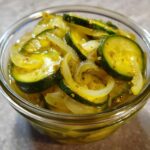
I am glad you are here. Learn to make the best crunchy, sweet, and tangy bread and butter pickles using simple steps. This recipe works for both canning to preserve your summer harvest or making quick refrigerator pickles for immediate enjoyment.
- Prep Time: 3 hours 30 min
- Cook Time: 15 min
- Total Time: 3 hours 45 min
- Yield: About 4 pint jars 1x
- Category: Preserves
- Method: Canning/Refrigerator
- Cuisine: American
- Diet: Vegetarian
Ingredients
- 3 lbs pickling cucumbers, thinly sliced
- 2 medium yellow onions, thinly sliced
- 1/4 cup pickling salt
- 4 cups ice
- 2 cups white vinegar
- 2 cups granulated sugar
- 1 teaspoon celery seed
- 1 teaspoon mustard seed
- 1/2 teaspoon ground turmeric
- 1/4 teaspoon ground cloves
Instructions
- Combine the sliced cucumbers and onions in a large bowl. Sprinkle with pickling salt and cover with ice. Let this mixture sit for 3 hours, stirring every hour. This step draws out moisture for a crisp pickle.
- Drain the cucumbers and onions well. Rinse them thoroughly under cold running water for several minutes to remove excess salt. Drain again completely.
- In a large, non-reactive saucepan, combine the white vinegar, sugar, celery seed, mustard seed, turmeric, and cloves.
- Bring the brine mixture to a boil over medium-high heat, stirring until the sugar dissolves completely.
- Add the drained cucumbers and onions to the boiling brine. Return the mixture to a simmer. Cook for exactly 2 minutes. Do not overcook, or your pickles will lose their crunch.
- Remove the pan from the heat.
- For Refrigerator Pickles: Pack the warm cucumbers and onions into clean jars, leaving 1/2 inch headspace. Pour the hot brine over the cucumbers, ensuring they are covered. Seal the jars and let them cool on the counter before moving them to the refrigerator. They are best after 24 hours.
- For Canning: Pack the hot cucumbers and onions into sterilized pint or half-pint canning jars, leaving 1/2 inch headspace. Ladle the hot brine over the cucumbers, maintaining the headspace. Wipe the rims clean. Apply the lids and rings, tightening to fingertip tight.
- Process the jars in a boiling water bath canner for 10 minutes, adjusting for altitude. Remove jars and let them cool undisturbed for 12 to 24 hours. Check seals. Store sealed jars in a cool, dark place.
Notes
- For the best crunch, slice your cucumbers evenly, about 1/8 inch thick.
- If you prefer a spicier pickle, add 1/4 teaspoon of crushed red pepper flakes to the brine mixture.
- These sweet and tangy pickles pair perfectly with burgers, sandwiches, or as a side for BBQ meals.
Nutrition
- Serving Size: 4 slices
- Calories: 45
- Sugar: 11
- Sodium: 180
- Fat: 0
- Saturated Fat: 0
- Unsaturated Fat: 0
- Trans Fat: 0
- Carbohydrates: 11
- Fiber: 0
- Protein: 0
- Cholesterol: 0
