 Skip to content


Hi, I’m Alex, and I’m so glad you’re here. If there’s one thing that instantly brings me back to that feeling of pure peace I found when I started cooking, it’s a **snickerdoodle**. Seriously, no other cookie hits that spot quite like it. Forget dry hockey pucks; we are making the best, soft, and chewy cookies you’ve ever had. The secret sauce, that signature tangy twist that makes people ask, “What is that amazing flavor?” is the cream of tartar, and we use plenty of it! Baking this classic brings out the simple joy I talk about over on my About Me page. Get ready for some serious comfort baking.
- Why This is Your Ultimate Chewy Cookies Snickerdoodle Recipe
- Gather Your Pantry Staples for Perfect Snickerdoodle Cookies
- Step-by-Step Instructions for Classic Snickerdoodle Recipe Success
- Baking Tips for Soft Snickerdoodle Cookies Every Time
- Serving Suggestions for Your Buttery Snickerdoodles
- Storage and Reheating Instructions for Your Snickerdoodle Batch
- Troubleshooting Common Snickerdoodle Baking Issues
- Frequently Asked Questions About Making Snickerdoodle Cookies
- Nutritional Estimates for One Snickerdoodle Cookie
Why This is Your Ultimate Chewy Cookies Snickerdoodle Recipe
Listen, I’ve ruined enough cookie batches to know the difference between a good recipe and a great one. Most store-bought snaps are dry, but we are aiming for melt-in-your-mouth bliss here. This recipe is specifically engineered for those irresistible, **Soft Snickerdoodle Cookies** that have that perfect structural integrity. We want edges that give you a satisfying, slightly crisp chew, leading directly into a wonderfully soft, pillowy center. Trust me, if you follow the creaming step correctly, you’ll have the foundation for the **Ultimate Chewy Cookies**. These are the kind of cookies that instantly transport you back to happy times—pure comfort food magic!

The Secret Ingredient: Cream of Tartar Cookies Magic
We can’t skip the magic powder here! That wonderful, slightly sour zing that makes a traditional **snickerdoodle** pop is all thanks to cream of tartar. Chemically, it’s an acid that reacts beautifully with the baking soda we use. It slows down the spread of the cookie just enough so they bake up thicker rather than flat. It’s the key to that signature tang and it keeps the interior soft for days. This is a non-negotiable part of developing that perfect flavor profile we love!
Gather Your Pantry Staples for Perfect Snickerdoodle Cookies
The beauty of these cookies, friends, is that they use items I bet you already have sitting around right now! That’s a core part of the simple pantry staple cookies philosophy here at Pure Cooking Joy. We don’t need any fancy, single-use ingredients for this classic. When you look at the list—butter, sugar, eggs, flour—it’s just the basics, but the ratios are where we get our amazing texture.
When you measure things out, just take an extra moment to be precise, especially with the flour. I always tell people to spoon the flour into the measuring cup and then level it off! Don’t scoop it directly, or you’ll end up adding way too much, which leads to dry cookies. And make sure that butter is really, truly softened—not melted, just pliable.
Ingredient Notes and Substitutions for Your Snickerdoodle Dough
Let’s talk details here. I insist on salted butter because it helps us control the added salt later on, giving a nice subtle depth to the cookie. You absolutely need both sugars; the brown sugar is key for moisture and that hint of caramel flavor that complements the cinnamon so well. While you could technically skip the brown sugar, I wouldn’t. And remember that cream of tartar? It’s essential for the chew and that necessary tangy twist. Please don’t substitute it out if you want a true **snickerdoodle**!
Step-by-Step Instructions for Classic Snickerdoodle Recipe Success
Alright, let’s get baking! Remember how I said the creaming step builds texture? That’s step one—we whip that softened butter with the sugars until it’s light and fluffy. That incorporates the air we need for a slightly soft interior! Then we add the eggs, one at a time, followed by the vanilla. While that’s happening, whisk your flour, baking soda, salt, and, yes, our hero, the cream of tartar, in a separate bowl. We add the dry stuff to the wet stuff gradually, on low speed, mixing just until it comes together. If you overmix, these amazing cookies turn tough, and we certainly don’t want that rugged texture! Learning this crucial mixing balance is just like learning how to get that perfect structure in a loaf of bread—practice makes perfect, which is why I love sharing tips on my baking page.
Once the dough is mixed, scoop your balls—about a tablespoon and a half each—and roll them generously in that cinnamon sugar mixture. Make sure they are totally encased in spice! Then, place them on your parchment-lined sheet, giving them plenty of space to spread out because they will!

Achieving That Perfectly Crinkled Snickerdoodle Top
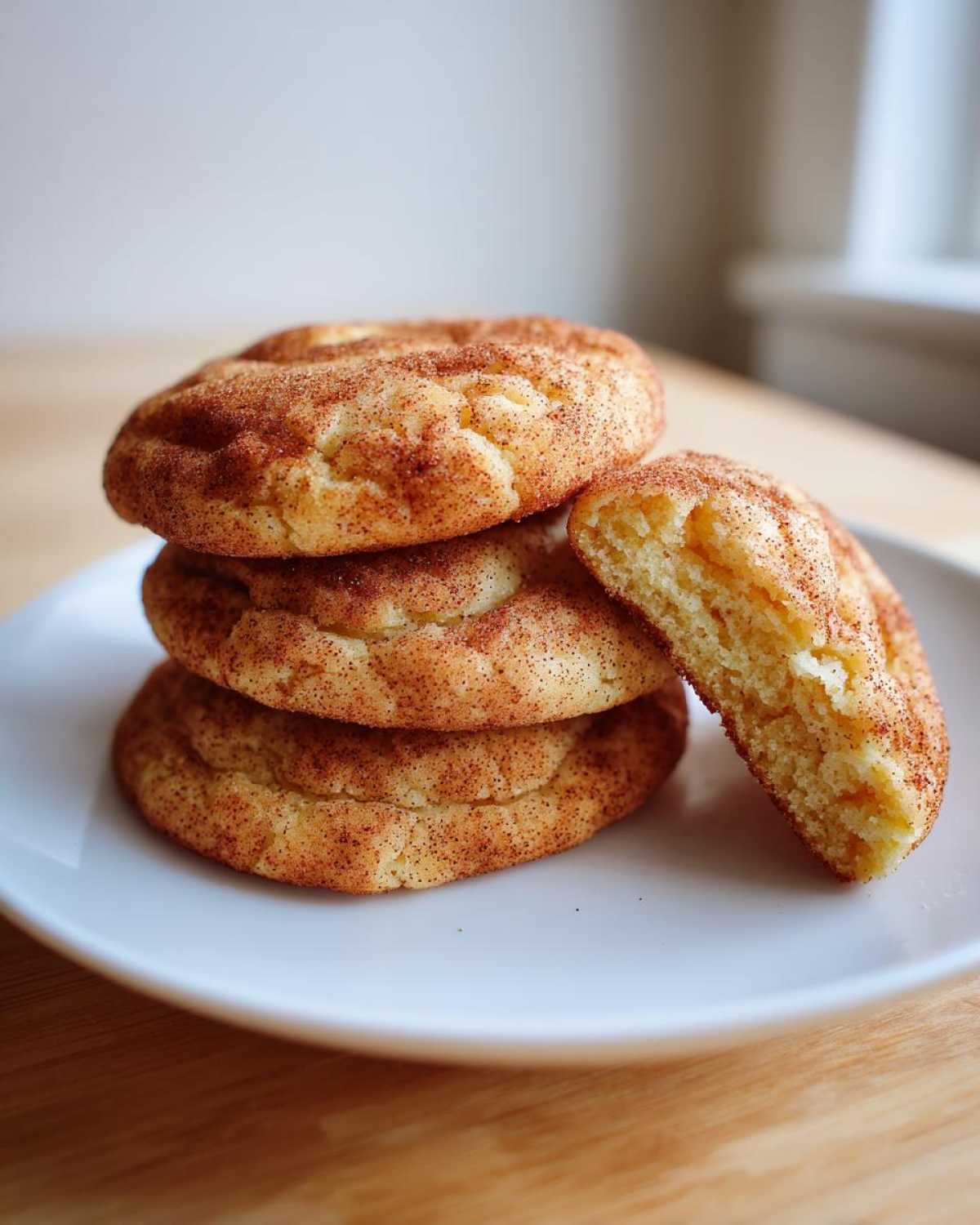
Here’s a trick for that gorgeous, cracked look you see in the photos. Before you roll those spiced dough balls, pop the whole bowl of dough into the fridge for about 30 minutes. Chilling the dough slightly solidifies the fat. When the cold dough hits the hot oven, it starts to set on the outside before spreading too far. This quick setting causes the surface to crack perfectly as the inside bakes up soft. It’s totally worth the tiny pause!
Baking Tips for Soft Snickerdoodle Cookies Every Time
This is where things get serious, folks. Baking is chemistry that looks beautiful! If you want those **Soft Snickerdoodle Cookies**, you cannot linger in the oven too long. I learned this the hard way when I first started out—I kept pulling them out when they looked perfectly golden, and they ended up being hard and crumbly. I was so frustrated!

The visual cue for perfection is to pull them when the edges are clearly set, maybe a very light gold, but the center looks puffy and slightly pale, almost a little underdone. Seriously, they will look soft. Don’t panic! That residual heat on the baking sheet—which is why we let them rest for those five minutes—will finish the baking process without drying out the middle. Trust the process; it’s one of the big Cookie Texture Secrets I swear by. They firm up perfectly as they cool down.
Serving Suggestions for Your Buttery Snickerdoodles
Now that you’ve conquered the dough and baked these gorgeous, **Buttery Snickerdoodles**, you need the perfect pairing! These cookies scream classic comfort, so lean into that vibe. They are absolutely divine dunked into a mug of something warm. Seriously, even if it’s seventy degrees out, go whip up a batch of my hot chocolate—it’s one of those perfect **Warm Cozy Desserts**.
If you’re spreading these out for a cookie exchange or just having friends over, they pair beautifully with strong black coffee or a cold glass of milk, naturally. But honestly? They’re the perfect straightforward dessert. No fuss needed. They stand tall on their own in the celebration lineup!
Storage and Reheating Instructions for Your Snickerdoodle Batch
You’ve made a huge batch of these beauties, and now you have to savor them, right? Keeping them soft is the name of the game. Store your cooled **snickerdoodle** cookies in an airtight container at room temperature. I find they stay perfectly soft for about four days this way. If you need them to last longer, freezing is your best friend! You can freeze the baked cookies flat between layers of wax paper in a freezer-safe bag. They keep well for up to three months.
If you like to do some advance baking, you can absolutely freeze the dough balls rolled in the cinnamon sugar mixture! Just place them on a baking sheet, freeze until solid, and then transfer them to a bag. When you’re ready, pop the frozen dough right onto the sheet and add about 2-3 minutes to the baking time. It’s a fantastic way to have fresh cookies ready almost instantly. It’s almost as good as preparing things ahead of time like I do with my make-ahead meals!
Troubleshooting Common Snickerdoodle Baking Issues
Don’t sweat it if your first batch isn’t magazine-perfect! Baking is all about learning what the dough is telling you. If your cookies spread out super thin, it usually means your butter was too warm, or maybe you skipped the chilling step we talked about. If your cookies taste flat and lack that signature punch, double-check that you used enough cream of tartar—that tang is crucial!
The biggest mistake I see, though, is sheer overbaking. If they come out dry, it’s because they stayed in the oven too long. Remember, pull them when the middle still looks a little doughy! If you need general baking inspiration after troubleshooting, feel free to browse around my main blog page!
Frequently Asked Questions About Making Snickerdoodle Cookies
I get so many great questions after people try this recipe for the first time, which is wonderful! It shows everyone is getting into the spirit of this great easy entertaining cookie. Here are a few things I hear most often when folks are trying to nail that perfect texture or flavor profile.
Can I skip the cream of tartar in this snickerdoodle recipe?
Oh, I really hope you don’t! While you *can* technically skip it and still get a nice cookie, it won’t be a real **snickerdoodle**. The cream of tartar is the key to that slight, delightful tang and it reacts with the baking soda to give you those amazing **perfectly crinkled cookies** instead of a totally flat sugar cookie. It also helps us achieve those lovely **Ultimate Chewy Cookies**!
How do I make them crispy instead of soft?
That’s a great question for those who prefer a crunchier experience! To get crispier edges and centers, you actually do two things: first, use only white granulated sugar in the cinnamon roll mixture, skipping that brown sugar in the dough itself for a slightly less moist result. Second, and most importantly, you have to bake them an extra minute or two until they look fully set. Pull them out when they look baked through, not just set on the edges.
What is the best sugar for the cinnamon coating?
For the coating, stick with granulated sugar. It gives you that sparkly, slightly sandy crust that really cracks nicely when baked. I’ve seen people try to use just brown sugar, but it dissolves too fast and doesn’t give you that textural crunch on the outside that contrasts with the soft center. A mix of granulated sugar and cinnamon is just unbeatable for that classic finish!
Do I have to chill the dough?
For the best results and if you want that beautiful crackle, yes, chilling is really worth the small wait! If you’re in a rush, even 15 minutes while your oven preheats helps an awful lot. If you want to connect with me about your baking triumphs, feel free to drop a line over on my Facebook page!
Nutritional Estimates for One Snickerdoodle Cookie
Okay, so while these cookies are pure joy and comfort, we all know that enjoying them means being a little mindful! I’m sharing the estimates below, but please remember that this is just based on my recipe, the exact brands I use, and sticking precisely to the measurements provided. If you swap out butter for a healthier fat or use different types of flour, these numbers will definitely change.
When I’m batch baking for events like holiday cookie swaps, I always use these numbers as a baseline for labeling, just to be responsible! They assume a yield of about 3 dozen cookies, which is what this recipe should give you. Here’s the breakdown:
- Serving Size: 1 cookie
- Calories: 160
- Sugar: 14g
- Sodium: 110mg
- Fat: 8g (with about 5g saturated)
- Carbohydrates: 21g
- Protein: 2g
See? Not the lightest thing on the planet, but totally worth the joy, especially when you consider these are made from scratch with real butter and recognizable ingredients. Enjoying food is essential, and understanding what’s in your homemade treats is just part of the transparency I appreciate in the kitchen!
PrintThe Best Soft and Chewy Classic Snickerdoodle Cookie Recipe

I am happy you are here to make these classic snickerdoodle cookies. This recipe gives you soft centers, chewy edges, and that signature crackled top, all thanks to the essential cream of tartar. These are the ultimate comfort food cookies.
- Prep Time: 20 min
- Cook Time: 11 min
- Total Time: 31 min
- Yield: About 3 dozen cookies 1x
- Category: Dessert
- Method: Baking
- Cuisine: American
- Diet: Vegetarian
Ingredients
- 1 cup salted butter, softened
- 1 1/3 cups granulated sugar
- 1/3 cup packed brown sugar
- 2 large eggs
- 2 teaspoons vanilla extract
- 3 1/4 cups all-purpose flour, spooned and leveled
- 1 teaspoon baking soda
- 3/4 teaspoon kosher salt
- 1 1/2 teaspoons cream of tartar
- 1/3 cup granulated sugar (for rolling)
- 2 tablespoons ground cinnamon (for rolling)
Instructions
- Preheat your oven to 350°F (175°C). Line baking sheets with parchment paper.
- In a large bowl, cream together the softened butter, 1 1/3 cups granulated sugar, and brown sugar until the mixture is light and fluffy. This step builds texture.
- Beat in the eggs one at a time, then mix in the vanilla extract.
- In a separate medium bowl, whisk together the flour, baking soda, salt, and cream of tartar.
- Gradually add the dry ingredients to the wet ingredients, mixing on low speed until just combined. Do not overmix the dough.
- In a small, shallow bowl, combine the remaining 1/3 cup of granulated sugar and the ground cinnamon for the coating.
- Scoop the dough into balls, about 1.5 tablespoons each. Roll each ball thoroughly in the cinnamon-sugar mixture until fully coated.
- Place the coated dough balls about 2 inches apart on the prepared baking sheets.
- Bake for 9 to 11 minutes. For soft centers and chewy edges, remove the cookies when the edges are set but the centers still look slightly underdone.
- Let the cookies cool on the baking sheet for 5 minutes before transferring them to a wire rack to cool completely. This helps set the chewy texture.
Notes
- The cream of tartar is necessary; it reacts with the baking soda to give snickerdoodles their characteristic slight tang and helps achieve the soft, chewy texture you want.
- For the best crackled top, chill the dough for at least 30 minutes before rolling and baking. Cold dough spreads less quickly in the oven.
- Do not overbake. If you want that soft, melt-in-your-mouth center, pull them out when they look slightly pale in the middle.
- These are excellent for holiday baking and cookie exchanges.
Nutrition
- Serving Size: 1 cookie
- Calories: 160
- Sugar: 14g
- Sodium: 110mg
- Fat: 8g
- Saturated Fat: 5g
- Unsaturated Fat: 3g
- Trans Fat: 0g
- Carbohydrates: 21g
- Fiber: 0g
- Protein: 2g
- Cholesterol: 30mg
