 Skip to content


If you’ve ever wrestled with dough that tears, shrinks, or ends up tough as leather, I completely get it. For years, before I discovered the pure joy of cooking, baking was just another source of kitchen stress. I used to think that achieving that dream, flaky, buttery crust only happened in professional kitchens. But trust me, it doesn’t! Breaking free from that corporate burnout led me right here, to create the absolute best, foolproof pie crust recipe. This is the simple, from-scratch method that guarantees you a tender, unforgettable base for every pie you make, sweet or savory.
- Why This Is the Best Flaky All-Butter Pie Crust Recipe
- Ingredients for Your Perfect Pie Crust Recipe
- Foolproof Instructions: How to Make Pie Crust From Scratch
- Pro Tips for the Ultimate Buttery Pie Crust
- Versatility: Using Your Classic Pastry Dough for Sweet and Savory Pies
- Storage and Make-Ahead Tips for Homemade Pie Crust
- Frequently Asked Questions About This Easy Pie Crust Recipe
- Estimated Nutritional Facts for This Pie Crust Recipe
- Share Your Perfect Pie Crust Creations
Why This Is the Best Flaky All-Butter Pie Crust Recipe
I stand by this pie crust recipe completely because it solves all the classic problems folks run into. It’s robust yet tender, and you don’t need a fancy machine to make it happen! This is the one crust I use year-round, whether I’m making a simple fruit pie or something richer like a quiche. Plus, the rich, full flavor that only butter provides is just unmatched. Honestly, once you try this homemade pie crust, you’ll never look back!
- Guaranteed Flakiness thanks to big chunks of cold fat.
- Incredible Buttery Flavor; it tastes so much better than anything store-bought.
- Super Simple Process that even a true beginner can follow successfully on their first try.
I really want you all to feel confident with pastry, so trust me on this next part. When you check out the strawberry pie over at my best easy strawberry pie recipe, notice how beautifully that crust holds up? That’s all down to keeping things icy cold!
The Secret to Flaky Pie Dough: Cold Ingredients
The biggest game-changer for superior flaky pie dough is temperature. You’ve got to treat that butter like it’s precious ice! If your butter melts even a little bit before it hits the flour, you lose the layers that make the crust shatter perfectly when you bite into it. We need those little cold islands of butter to create steam pockets in the oven. Keep your butter cubed and super cold, and add only ice water. That’s the whole magic trick right there!
Ingredients for Your Perfect Pie Crust Recipe
Okay, let’s talk about what you actually need to pull this off. I keep this pie crust recipe intentionally short because I don’t want you overwhelmed before you even start mixing! Remember, we are aiming for that amazing, all butter pie crust texture, so the quality and temperature of these few items really matter. This amount gives you enough dough for a full double crust—so you can make a bottom and a top for a standard nine-inch pie.
If you want to see how I use this same dough base in another way, check out my full recipe for the best flaky pie crust recipe—it really highlights how versatile this dough is!
- 2 1/2 cups all-purpose flour (the standard stuff works just fine!)
- 1 teaspoon salt (don’t skip this, or it tastes flat!)
- 1 cup (that’s two full sticks) unsalted butter, very cold and cut into small 1/2-inch cubes. Seriously, freeze it for 10 minutes right before you measure it out.
- 1/2 cup ice water, plus 1 or 2 extra tablespoons ready to go if you need them.
That’s it! Flour, salt, butter, and ice water. No sugar needed here, which keeps this classic pastry dough ready for anything you decide to bake!
Foolproof Instructions: How to Make Pie Crust From Scratch
Alright, this is where the magic happens! I know making pastry from scratch can look intimidating—especially if you’ve dealt with messy dough before—but I promise, if you follow these steps calmly, you will have the best pie crust ever. The key is gentle handling. We want to keep that butter intact so it can create those beautiful, flaky layers when baking.
When you’re done with these instructions, you’ll have a tender pie base ready for baking or chilling, perfect for those homemade crispy fried apple pies I swear by!
Mixing the Dough and Initial Chill Time for the Pie Crust Recipe
First things first: whisk your flour and salt together in a big bowl. Now, toss in those cold butter cubes. Don’t just stir them around! You need to cut that butter into the flour. I prefer using my fingertips for this step because I can really feel it, but a pastry blender is great too. We are aiming for coarse crumbs, but here’s the big secret: you need those little pea-sized pieces of butter to survive! Those are your future flakes. Now, slowly add that ice water, one tablespoon at a time. Stop mixing the moment the dough *just* holds together when you squeeze a bit. Seriously, don’t overmix! Once it comes together, dump it out, divide it in half, flatten each piece gently into a disk, wrap it tight, and put it straight into the fridge for at least one hour. This chilling time is crucial; it relaxes the gluten so your final pie crust recipe bakes up tender, not tough.

How to Roll Out Pie Dough Successfully
After chilling, let the dough sit on the counter for about five minutes—it shouldn’t be rock solid! Lightly flour your clean workspace. Take one disk and start rolling from the center, pushing outward. Don’t roll back and forth too much; rotate the dough about a quarter turn after every few pushes. This keeps the circle even and stops it from sticking, which really helps when you’re trying to get that beautiful 12-inch circle we need for a standard nine-inch pie plate. Once rolled, gently drape it over your pie plate. If you see a little tear (and trust me, it happens!), don’t panic. Just take some spare dough, mash it gently over the tear until it seals, and keep going! Trim the edges, crimp how you like, and if you have time, chill the whole pie shell again for 30 minutes before filling. That final chill is the last step toward a truly foolproof pie crust instructions result.

Pro Tips for the Ultimate Buttery Pie Crust
Now that you know the basic steps for this pie crust recipe, let’s talk about dialing in the perfection. Baking is fun, but when it comes to pastry, sometimes a little extra knowledge prevents real heartbreak later when you pull a slack-sided, sad-looking pie out of the oven. I always rely on a few extra little tricks to make sure my buttery pie crust turns out exactly as flaky as I intend it to!
Remember what I said about cold butter? That rule stays number one! If you’re working in the summer or your kitchen is just naturally warm, I actually prep everything in the morning and then pop my bowl of flour/butter mix in the freezer for 15 minutes before adding the water. Seriously, fight the heat!
And if the dough tears? Don’t stress it! It happens to me, too, especially when making those prettier, fluted edges. Just grab a tiny bit of scrap dough, press it with your cleanest finger right where the tear is, or even just use a drop of ice water to essentially glue it shut before you roll it out again. No one will ever know!
Making a Single Pie Crust Recipe vs. Double Crust
Most of the time, I make the full double batch because if I’m breaking out the rolling pin, I’m going all the way, right? You can freeze the second disk for a future baking emergency! But what if you only need a single pie crust recipe—maybe just a top crust for a pot pie or a single bottom for a quick custard pie?
It’s simple! Just use one of the flat disks you wrap up and chill. You don’t need to change the ingredient ratios in the primary recipe, just use half the dough the recipe yields. Naturally, you’ll use less flour when rolling it out, and the chilling time is still the same one-hour minimum. Because you are only rolling out one thinner piece instead of two, you might find you need just a tiny bit less water to bring it all together, so keep that extra ice water handy but use it sparingly. Trying to master a quick pie crust? Making just one is always faster!

If you’re looking for a great use for just a bottom crust, check out my recipe for easy pumpkin bread—wait, no, that’s bread! I meant my super simple mini fruit tarts recipe, which always needs just a single base!
Versatility: Using Your Classic Pastry Dough for Sweet and Savory Pies
One of the things I love most about mastering this classic pastry dough is that it isn’t just for Thanksgiving dessert! This dough is hardworking, which means you can use it all year long. This recipe is fantastic because it’s intentionally neutral—it doesn’t have added sugar, which is why it transitions so beautifully from a sweet treat to a hearty main course.
For dessert pies, think of your favorite fall flavors—apple, pecan, or even a bright lemon meringue. The rich, buttery base lets those sweet fillings really sing. But honestly, the first time I used this dough for a savory dish, I realized I’d hit the jackpot! It forms the perfect, sturdy base for a quiche or a crunchy blanket over a rich filling like the one in my chicken pot pie casserole recipe.

I even use leftovers to make little crackers for cheese boards when I have friends over. Just roll the scraps thin, sprinkle with everything bagel seasoning, and bake until crisp. You can see some of the fun savory things my friends and I made with this dough over on my Facebook page at Pure Cooking Joy!
Adapting This Pie Crust Recipe for Savory Pie Crust Needs
Since this specific pie crust recipe doesn’t call for sugar, you don’t have to worry about taking anything out! That’s the beauty of it right there. If you were using a recipe that did include a tablespoon or two of sugar, for a savory pie crust like a deep-dish tomato pie or a shepherd’s pie topping, I’d say cut that sugar completely. For savory bakes, sometimes I’ll toss a pinch of dried herbs—like thyme or rosemary—right into the dry flour mix before I cut in the butter. That little herbal note pairs so nicely with savory fillings, boosting the flavor without changing the flaky texture at all.
Storage and Make-Ahead Tips for Homemade Pie Crust
Let’s face it, sometimes life gets busy, and you just can’t get to the pie on time, or maybe you want to do all the messy work ahead of the big gathering. That’s why I love that this from scratch pie crust dough is so incredibly adaptable for making ahead! Having chilled dough ready to go is like having an emergency vacation button for dessert.
You can keep the dough disks wrapped tightly in the fridge for up to two whole days. Make sure that plastic wrap is snug! If you wrap it well, the dough stays perfect. It might look a little sad and flat when you pull it out, but that’s okay! Just let it sit on the counter—no direct heat!—for about 5 to 10 minutes until it’s slightly pliable enough to roll without cracking everywhere. That little bit of waiting time is totally worth the convenience later.
But what if you want to freeze it? That’s my go-to trick, especially around the holidays! Once you’ve formed your two disks, wrap each one really well in plastic wrap first, and then wrap them again in a layer of aluminum foil. This double wrap prevents freezer burn, which is the enemy of any good crust. These disks will keep beautifully for up to three months. When you decide it’s time to bake, just move the frozen disk straight into the fridge overnight to thaw gently. You’ll have a stellar, fresh-tasting crust ready for your Boston cream pie recipe from scratch!
Frequently Asked Questions About This Easy Pie Crust Recipe
I always get the best questions after sharing this simple, easy pie crust recipe! It’s normal to have a few doubts when tackling pastry for the first time, or even the tenth time. Don’t hesitate to dive in and ask if you’re unsure about something. I’ve gathered the most common ones here to help you feel totally ready! If you want to see some of my general baking thoughts, you can always check out my latest blog posts for non-pie related kitchen chats.
Can I substitute shortening for butter in this pie crust recipe?
You absolutely *can*, but I strongly advise against it if you want that incredible flavor this buttery pie crust provides! Butter carries all the taste we are aiming for. Shortening will give you a very tender crust, sometimes even more tender than butter, because it has a lower water content, but you lose that rich, complex flavor. If you mix half butter and half shortening, you get a decent texture, but trust me—the flavor payoff isn’t the same. Stick to all butter for the best pie crust ever!
What is the difference between this and a beginner pie crust tutorial?
That’s a fair question! While many tutorials show you the mechanics, what sets this specific pie crust recipe apart is how I guide you past the pitfalls. Many beginner guides just say “cut in the butter.” I’m making sure you leave those pea-sized chunks in there, which is the real workhorse for creating that flaky pie dough. Also, I specifically warn you about overmixing the water, a classic beginner mistake that leads to a tough, rubbery crust instead of a nice, tender one. This process is designed to be foolproof by highlighting where beginners usually go wrong.
How long should I chill the dough for the best flaky pie dough?
For the structure and best texture in your flaky pie dough, you absolutely need a minimum of one hour in the fridge after you form the disks. That hour allows the gluten strands to relax, which means when you roll it out later, it won’t shrink back in the oven. If you can manage it, chilling the dough for up to two days is even better! Less chilling time means you risk tough pastry when rolling, but any time over an hour is a bonus. If you go longer than two days, just pop it in the freezer instead!
Estimated Nutritional Facts for This Pie Crust Recipe
I know some of you are very focused on the details of what goes into your baking, so I wanted to give you a quick rundown of the nutrition for this pure, all butter pie crust dough. Now, remember what I always say about numbers—these figures are just estimates based on dividing the recipe into eight even slices, which is a pretty generous portion for one slice of pie! This data is strictly for the crust itself, not including any fillings, toppings, or glazes you might add later. When you’re baking something this traditional and delicious, I try not to stress too much about the specifics, but it’s good to have the information!
My goal here is to show you it’s mostly fat and carbs, as expected from a traditional pastry, but totally worth it for that flavor!
- Serving Size: 1/8 of crust
- Calories: 280
- Fat: 18g (And yes, that’s mostly the good butter fat!)
- Saturated Fat: 11g
- Sodium: 210mg (This comes mainly from the salt we added)
- Carbohydrates: 26g
- Protein: 4g
- Sugar: 0.1g (See? Very low sugar in the dough itself!)
If you’re making a fruit pie, the sugar content will definitely go up with the filling, but the base itself keeps things simple and focused on richness. Enjoy that flaky pie dough!
Share Your Perfect Pie Crust Creations
Whew! We made it. You now have everything you need to make what I truly believe is the best pie crust ever. I would absolutely love to see what you whip up! Seeing your flaky creations is what keeps me energized in the kitchen.
When you finish baking your pie—whether it’s a juicy apple number or a savory veggie bake—please come back here and leave a rating. Five stars lets me know that this easy pie crust recipe is still holding up as the most reliable one around!
And seriously, if you took a photo, I want to see it! Share your finished pie on social media and tag me over on Facebook at Pure Cooking Joy. Tell me about your experience trying the from scratch pie crust method; did the pea-sized butter chunks really make a difference for you? I read every single comment, and your success stories keep inspiring my next recipe!
PrintThe Best Flaky All-Butter Pie Crust: Foolproof Recipe for Beginners
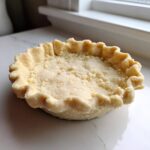
This recipe shows you how to make a perfectly flaky, buttery homemade pie crust from scratch. It is simple enough for beginners and works for sweet or savory pies.
- Prep Time: 20 min
- Cook Time: 0 min (for dough)
- Total Time: 1 hr 20 min
- Yield: One double crust (for a 9-inch pie)
- Category: Baking
- Method: Pastry Making
- Cuisine: American
- Diet: Vegetarian
Ingredients
- 2 1/2 cups all-purpose flour
- 1 teaspoon salt
- 1 cup (2 sticks) unsalted butter, very cold and cut into 1/2-inch cubes
- 1/2 cup ice water, plus 1-2 tablespoons more if needed
Instructions
- In a large bowl, whisk together the flour and salt.
- Add the cold butter cubes to the flour mixture. Use a pastry blender or your fingertips to cut the butter into the flour until the mixture resembles coarse crumbs with some pea-sized pieces of butter remaining. These pieces create the flakiness.
- Gradually add the ice water, one tablespoon at a time, mixing lightly with a fork until the dough just begins to come together. Do not overmix. You want the dough to hold together when squeezed.
- Turn the dough out onto a lightly floured surface. Divide the dough in half. Gently form each half into a flat disk, wrap tightly in plastic wrap, and refrigerate for at least 1 hour, or up to 2 days.
- When ready to roll, let the chilled dough sit at room temperature for 5 to 10 minutes to soften slightly.
- On a lightly floured surface, take one disk and roll it out from the center outward, rotating the dough frequently to prevent sticking, until you have a circle about 12 inches in diameter.
- Carefully transfer the dough to your pie plate. Trim the edges and crimp as desired. If making a double-crust pie, repeat the rolling process for the top crust.
- Chill the assembled pie shell for 30 minutes before baking for the best results.
Notes
- Keep your butter and water as cold as possible; this is the secret to a flaky pie crust.
- If the dough tears when rolling, patch it with a small piece of scrap dough or gently press it together with your fingers.
- This all butter pie crust dough freezes well for up to 3 months.
Nutrition
- Serving Size: 1/8 of crust
- Calories: 280
- Sugar: 0.1
- Sodium: 210
- Fat: 18
- Saturated Fat: 11
- Unsaturated Fat: 7
- Trans Fat: 0.5
- Carbohydrates: 26
- Fiber: 1
- Protein: 4
- Cholesterol: 45
