 Skip to content


Okay, let’s be honest for a second. When you hear “classic French sauce,” do you immediately picture yourself sweating over a double-boiler, whisking like crazy, terrified that one wrong move means the whole thing turns into scrambled egg soup? Yes, me too! That used to be my corporate stress, but I promised myself I’d find a better way to bring joy back into my cooking. You can learn more about my journey here at Pure Cooking Joy!
Well, I’m Alex, and I’ve totally cracked the code. Throw away the whisking dread! I am so excited to introduce you to my Foolproof 5-Minute Blender Hollandaise Sauce. This isn’t just fast; this is rich, creamy, restaurant-quality magic made possible with just an immersion blender. Seriously, if you can press a button, you can make the best hollandaise sauce of your life instantly. Ready to feel like a culinary rockstar?
- Why This is the Best Hollandaise Sauce Recipe You Will Ever Make
- Gathering Ingredients for Your 5-Minute Hollandaise Sauce
- Step-by-Step Instructions for Blender Hollandaise Sauce
- Expert Tips for Foolproof French Sauce Success
- Serving Suggestions for Your Quick Homemade Hollandaise
- Storage and Reheating Instructions for Leftover Hollandaise Sauce
- Frequently Asked Questions About Hollandaise Sauce
- Nutritional Snapshot of This Hollandaise Sauce
- Share Your Success Making Hollandaise Sauce
Why This is the Best Hollandaise Sauce Recipe You Will Ever Make
Look, traditional stovetop hollandaise sauce is lovely if you have endless time and nerves of steel, but who has that on a Sunday morning? That’s why this quick homemade hollandaise is the only version I ever use now. We are ditching the triple-boiler balancing act completely. This blender method is virtually a no-fail sauce recipe. Trust me, getting that thick, gorgeous emulsion happens automatically when the butter hits those egg yolks just right in the narrow cup. If you want to see more of what we’re cooking up, check out the main blog section!
If you’ve been searching for easier ways to wow people at brunch, this is it. We are talking about a sauce that tastes expensive but takes less time than waiting for the toast to pop up.
Achieving That Velvety, Restaurant Style Sauce Recipe Texture
The goal here isn’t just a sauce; it’s a silky egg yolk sauce that hangs beautifully on your poached egg. Because we use high-speed blending, we create a super tight, stable emulsion that gives you that rich, golden sheen you only see in magazines. This is truly a restaurant style sauce recipe, but you get to control the temperature and the tang right here in your own kitchen. It should look like liquid velvet, smooth and utterly decadent.

Gathering Ingredients for Your 5-Minute Hollandaise Sauce
Okay, getting everything ready is nearly as fast as making the sauce! Since this is such a quick emulsion, we absolutely need everything measured out beforehand. Seriously, don’t even think about melting the butter until the other stuff is already in the blender jar. The most crucial thing you need to pay attention to here is that butter—it has to be melted, piping hot, but not smoking hot!
Ingredient Clarity and Preparation Notes
For this recipe, you can’t skip the richness that comes from two large egg yolks; they are the backbone of the sauce. You’ll also need a tablespoon of fresh lemon juice for that necessary zing, half a teaspoon of Dijon mustard to help everything stay together, plus a pinch of salt and, if you like a little warmth, an optional pinch of cayenne pepper. Finally, make sure you have half a cup, which is one whole stick, of unsalted butter. That butter must be fully melted and certainly hot when it hits the yolks!
Step-by-Step Instructions for Blender Hollandaise Sauce
This is honestly the best part because it takes less time than boiling water for your poached eggs! We are moving quickly here, but remember, speed comes from preparation, not rushing the blending. If you want to see my foolproof guide on poaching eggs to go perfectly with this, check out my pairing guide right here. Let’s get mixing!
Preparing the Base and Incorporating the Butter
First things first, grab that tall, narrow container—you know, the one that comes right with your immersion blender? That tightness is key for the best immersion blender hollandaise results! Drop your two egg yolks, the lemon juice, Dijon, salt, and that optional cayenne right into the bottom. Now, melt your butter fully until it’s hot, and take your immersion blender. Push the head of the blender *all the way* to the bottom, making sure it completely covers those flavor bases.
The Crucial Drizzling Technique for Perfect Hollandaise Sauce
Okay, here comes the magic moment for your hollandaise sauce! Start the blender running on medium speed—keep it down there on the bottom, don’t move it yet! While it’s whirring away, start pouring that hot butter in a very thin, slow, steady stream right over the top. I mean it, thin! You have to let the blender do its thing and create that beautiful emulsion before you even think about moving. Don’t lift that blender head until almost all the butter has disappeared into the mix. This slow pour prevents that dreaded break, making this technique so reliable.

Expert Tips for Foolproof French Sauce Success
Even though this immersion blender method is designed to be the ultimate foolproof French sauce experience, knowing a couple of behind-the-scenes secrets always helps! We want this creamy butter lemon sauce to be perfect, whether you’re serving it tonight or holding it for a few minutes. Since this recipe is so quick, the best advice is usually about timing and temperature, not technique. If you have questions or want to show off your creation later, you can always hop over and connect with me on my Facebook page!
Temperature Control: Why Hot Butter Matters
Listen, this is non-negotiable for a stable emulsion, folks. Your melted butter has to be hot when you pour it in. Why? Basically, the heat of the butter helps those little fat droplets break down quickly and suspend evenly within the egg yolk mixture before the blender even finishes its job. If your butter cools down too much, the fat solidifies too fast, and you end up with a clumpy mess instead of that gorgeous, velvety texture.
Troubleshooting: How to Fix Thin Hollandaise Sauce
Now, if you notice your sauce is looking a little too thin for your liking—maybe you poured the butter a hair too quickly—don’t panic! Just whisk in a single teaspoon, maybe two, of some warm water. That little bit of extra liquid helps redistribute the fat and thickens it up beautifully. If, by some miracle, your sauce *does* break (and that’s rare with this method!), sometimes a quick whisk with a fresh, room-temperature yolk can save it. But honestly, 99% of the time, warm water does the trick.
Serving Suggestions for Your Quick Homemade Hollandaise
Now that you have this amazing, creamy, restaurant-quality sauce ready in about five minutes, what do you do with it? You pour it on EVERYTHING! Honestly, this silky butter lemon sauce is incredibly versatile. Of course, the classic application is over poached eggs for the most glorious hollandaise sauce for Eggs Benedict you will ever serve; it’s just non-negotiable for brunch perfection.
But please, don’t stop there!
- Drizzle it generously over steamed or roasted green vegetables. Fresh asparagus, drizzled heavily with this sauce, tastes like a million bucks—it’s the ultimate way to serve hollandaise sauce for asparagus.
- Try it poured straight over flaky white fish, like cod or halibut. It’s so light and rich, it totally beats fussing with traditional sauces.
- Next time you roast potatoes or even cauliflower, skip the heavy cheese sauce and go for this bright, tangy drizzle. You won’t look back!

If you need more ideas for light, flavor-packed recipes, I have a great one for zucchini noodles I think you’ll enjoy over at my zucchini noodle recipe!
Storage and Reheating Instructions for Leftover Hollandaise Sauce
The real truth about this incredible hollandaise sauce is that it really, really wants to be eaten right now. It’s an emulsion, which means it’s happiest the second it’s made. That’s why the note on the recipe card says serve immediately!
If you absolutely have extras, don’t just stick it in the fridge uncovered—that makes it weep! For short-term holding, say while you’re finishing up your Eggs Benedict, pop the sauce into a small thermos bottle. It traps the heat and keeps it nicely emulsified for about an hour.
If you have leftovers to keep longer, transferring it to a small, sealed container and chilling it is necessary. But here’s the catch: you can’t reheat it directly. If you try the microwave, you’ll end up with butter separation. The best way to wake it up later is to place the container in a bowl of barely warm—not hot!—water and whisk gently until it loosens up. I highly recommend making just what you need, because nothing beats this sauce fresh off the blender!
Frequently Asked Questions About Hollandaise Sauce
It’s so common! Whenever I share this hollandaise sauce recipe, people have the same big questions about getting that perfect texture, and that’s totally fair. That’s why I built this method to be foolproof, but let’s clear up any lingering doubts you might have!
Can I substitute the egg yolks in this easy hollandaise sauce recipe?
You really shouldn’t substitute the yolks if you want that classic rich flavor and structure. The egg yolks are what create the emulsion—they act as the glue holding the fat (butter) and the acid (lemon) together. If you are nervous about raw eggs, you can certainly use pasteurized egg yolks from the store, and you’ll still get a great result! Just make sure they are at room temperature before you start blitzing them.
What is the secret to a creamy hollandaise tutorial using a blender?
The two secrets for this creamy hollandaise tutorial using the blender are all about physics! First, you absolutely must use the correct container—it needs to be tall and narrow so the immersion blender head stays completely submerged and makes proper contact with the entire base of the ingredients. Second, that slow, slow drizzle of hot butter is everything. Don’t pour quickly; let the machine work its magic without moving the blender head until the sauce starts coming together. It’s simple, but crucial!

Can I make this hollandaise sauce ahead of time?
Honestly, if you’re planning a big brunch, try to make this sauce right before you serve it. An emulsion like this is happiest when fresh. If you need a little buffer, I find it holds its texture beautifully for about an hour if you keep it in something insulated, like a small thermos, or set over a bowl of *warm* water (not hot!). Any longer than that, and you risk it splitting, which is such a bummer after all that delicious work. If you want more sauce inspiration, check out my creamy garlic sauce recipe!
Nutritional Snapshot of This Hollandaise Sauce
Now, I know what some of you dedicated brunchers are thinking: is this rich, buttery goodness going to derail my entire day? Well, this is based heavily on butter, so keep that in mind! These numbers are estimates for a standard 2-tablespoon serving size. You shouldn’t treat this like health food, but frankly, it’s worth every single calorie for Eggs Benedict!
Here’s a quick breakdown:
- Calories: About 180 per standard serving.
- Fat: Around 20 grams (remember, good fats from butter!).
- Protein: Just under 2 grams.
- Carbohydrates: Less than half a gram—basically zero sugar here, which is nice!
Enjoy it responsibly, knowing you just made the easiest, creamiest sauce around!
Share Your Success Making Hollandaise Sauce
I truly hope this easy, no-stress method helps you banish any fear you had about making a classic French sauce! Every time you nail this hollandaise sauce, I do a little happy dance right here in my kitchen. When you try it out, please come back and leave a rating—five stars are always appreciated, you know!
I absolutely love seeing your beautiful brunch spreads! Tag me on social media when you drizzle that golden sauce over your asparagus or Eggs Benedict. If you have any feedback or want to chat more about sauces, feel free to reach out on my contact page. Happy cooking, friends!
PrintFoolproof 5-Minute Blender Hollandaise Sauce
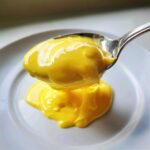
I’m Alex, and I want to show you how to make rich, creamy, restaurant-quality hollandaise sauce in just five minutes using an immersion blender. This no-fail method removes the stress from making this classic French sauce, making it perfect for your next Eggs Benedict or asparagus side dish.
- Prep Time: 3 min
- Cook Time: 2 min
- Total Time: 5 min
- Yield: About 3/4 cup 1x
- Category: Sauce
- Method: Blending (Immersion Blender)
- Cuisine: French
- Diet: Vegetarian
Ingredients
- 2 large egg yolks
- 1 tablespoon fresh lemon juice
- 1/2 teaspoon Dijon mustard
- Pinch of salt
- Pinch of cayenne pepper (optional)
- 1/2 cup (1 stick) unsalted butter, melted and hot
Instructions
- Place the egg yolks, lemon juice, Dijon mustard, salt, and cayenne pepper (if using) into a tall, narrow container that fits your immersion blender head snugly.
- Melt the butter completely. It needs to be hot, but not actively boiling.
- Place the head of the immersion blender all the way to the bottom of the container, covering the egg yolks.
- Start blending on medium speed. While blending, slowly drizzle the hot melted butter in a thin, steady stream over the top of the egg mixture. Do not lift the blender head until most of the butter is incorporated.
- Once the butter is added, slowly lift the blender head up and down a few times to fully incorporate any remaining butter and create a thick, creamy emulsion. This should take less than one minute of blending time.
- Taste the hollandaise sauce and adjust salt or lemon juice as needed. Serve immediately over your favorite dishes.
Notes
- For the best emulsion, make sure your melted butter is hot when you pour it in.
- If the sauce seems too thick, you can whisk in a teaspoon of warm water to thin it slightly.
- This sauce is best served immediately. If you must hold it, keep it in a thermos or a bowl set over a very low heat source (like a bowl of warm, not hot, water).
Nutrition
- Serving Size: 2 tablespoons
- Calories: 180
- Sugar: 0.1
- Sodium: 65
- Fat: 20
- Saturated Fat: 12.5
- Unsaturated Fat: 7.5
- Trans Fat: 0.5
- Carbohydrates: 0.5
- Fiber: 0
- Protein: 1.5
- Cholesterol: 90
