 Skip to content


If you think getting bakery-quality, shatteringly flaky pastry from scratch is somehow reserved for culinary geniuses, I’m here to completely change your mind. Seriously, put down that cardboard-tasting store-bought disc right now! I remember when the very idea of making a homemade pie crust—especially an all-butter one—felt completely terrifying to me back when I was deep in corporate burnout. But trust me, this recipe changed everything. It’s the absolute **best flaky all-butter pie crust recipe** out there, and I promise it’s surprisingly simple enough for even the newest beginner. You’ve got this, and I’m going to walk you through every single step to ensure your pastry is light, tender, and unbelievably delicious. You can find more of my tried-and-true baking secrets over at this recipe page when you’re done here!
- Why This All Butter Pie Crust Recipe Delivers Flaky Perfection
- Gathering Ingredients for Your Homemade Pie Crust Recipe
- How to Make Pie Crust From Scratch: Step-by-Step Instructions
- Tips for Success in Mastering Your Buttery Pie Crust Tutorial
- Versatility: Using Your Pie Crust for Savory and Sweet Pies
- Frequently Asked Questions About Making the Best Pie Crust Recipe
- Estimated Nutritional Data for This All Butter Pie Crust
- Share Your Homemade Pie Crust Creations
Why This All Butter Pie Crust Recipe Delivers Flaky Perfection
When I create a recipe here at Pure Cooking Joy, I want it to be foolproof. That means explaining *why* it works, not just *what* to do. This all butter pie crust is my go-to because butter, when handled correctly, provides phenomenal flavor and the deepest, most dependable flakiness. The magic here isn’t in some hard-to-find ingredient; it’s all about temperature control. Keeping that butter *ice cold* is non-negotiable! Those tiny, hard chunks of butter don’t fully blend into the flour. When the sealed dough hits the hot oven, that frozen butter melts quickly, turning to steam and pushing the layers of dough apart. That steam is your lift, giving you that incredible separation we all look for.

The Secret to a Truly Flaky Pie Dough
You absolutely must see those pieces of butter, folks. If you mix until everything looks like fine sand, congratulations, you have biscuits, not layers! For a truly flaky pie dough, you need identifiable butter pieces—think small peas or maybe flattened lima beans. These chunks are the foundation of all those beautiful, shatteringly crisp layers. Never, ever let your cutter or your fingers warm up the dough too much while blending. If the butter starts to look greasy or smears into the flour, stop immediately and stick the whole bowl back in the fridge for fifteen minutes. Patience here equals perfect pastry!
Gathering Ingredients for Your Homemade Pie Crust Recipe
Alright, let’s get our simple ingredients assembled. The beauty of this pie crust is that it uses stuff you probably already have lying around! We aren’t messing with lard or any weird substitutes here; this is pure, classic baking confidence.
- 2 1/2 cups all-purpose flour
- 1 teaspoon salt
- 1 tablespoon granulated sugar
- 1 cup (2 sticks) unsalted butter, very cold and cut into 1/2-inch cubes
- 1/2 cup ice water, plus 1-2 tablespoons more if needed
Here is the most important part: every single item needs to be cold, especially that butter and the water! If your water isn’t icy, just toss a few ice cubes into your measuring cup now. Cold ingredients are the backbone of this recipe.

Ingredient Notes and Substitutions for Perfect Pie Crust
You absolutely must use unsalted butter here because we control the salt separately; that lets us control the flavor perfectly. Since this is an pie crust no shortening situation, the butter is doing double duty for tenderness *and* flavor, so don’t skimp!
For the flour, standard all-purpose works brilliantly. Don’t try to substitute with bread flour—the higher protein will make your pastry tough, and we are aiming for tender here. Measure carefully, don’t pack the flour down into the cup, and trust the process!
How to Make Pie Crust From Scratch: Step-by-Step Instructions
Okay, the ingredients are gathered and freezing cold. Now for the actual making of the pie crust! This isn’t quick assembly; it’s methodical assembly, and that difference is everything. We start by combining the dry stuff—flour, salt, and that little bit of sugar—just to make sure everything is evenly distributed. Next comes the exciting part: cutting in the butter. You can use a pastry blender if you want that old-school workout, but honestly, I just use my fingertips because I can *feel* how those butter cubes are breaking down. Don’t press too hard! We are aiming for coarse crumbs; look for butter pieces about the size of small peas. If it feels warm at all, put your hands in cold water and shake them dry before digging back in.
Once the butter looks right, we introduce the ice water slowly. Add it tablespoon by tablespoon, mixing gently with a fork. Stop adding water the moment the dough starts stubbornly clinging together when you squeeze a little handful. It should look shaggy, not smooth! Divide that shaggy mess in half, gently press each half into a flat round disk, wrap it tight like a little present, and send it to chill out in the fridge for at least two hours. Don’t skip the chill time; it lets the gluten relax, which is how we get that beautiful, tender final texture. Learning these foundational techniques means you never have to worry about sticky dough again, just like when I figured out the trick for the best homemade apple fritters!
Techniques for the Easiest Pie Crust for Beginners
If you’re nervous about making your first easy pie crust for beginners, my biggest tip is to honor the chilling process above all else. When you bring the dough out after two hours, it should feel firm but still yield gently to pressure—if it’s rock hard, let it sit on the counter for 5 to 10 minutes. That brief warm-up prevents cracking when you start rolling. Think of it this way: we are letting the dough wake up slowly before we ask it to work hard.
When you start rolling, use just enough flour on your surface to stop sticking, but don’t drown it, or the crust gets tough. Roll from the center outward, turning the dough a quarter turn after every roll to keep that circle even. This technique is how we ensure a level bottom for whatever delicious filling you’re planning. It’s really that simple!
Rolling Out Your Tender Pie Pastry Dough
The moment of truth! You want your dough rolled about an eighth of an inch thick to get that gorgeous lift. Getting the tender pie pastry dough into the pie plate without tearing it is truly an art, but I have a foolproof method. Carefully fold the rolled circle in half around your rolling pin, or gently drape it over your hands like a soft blanket. Lower it carefully into the pie plate—don’t stretch it into place! If you stretch it, it will shrink up on you while baking which nobody wants. Just let it settle in, trim the excess, and then you can get creative with the edges. Save any scraps and freeze them; they’re perfect for little decorative cutouts later on!

Tips for Success in Mastering Your Buttery Pie Crust Tutorial
Okay, you’ve mixed it, you’ve chilled it, and now you are ready to conquer this dough! Every baker runs into a snag sometimes, but knowing how to fix it is what separates a good baker from a great one. Getting that gorgeous, buttery pie crust texture means being aware of how heat affects flour and fat. If you get halfway through rolling and the dough feels sticky or too soft—like it’s losing its chill—don’t panic! Just wrap the whole thing back up tightly and pop it back into the fridge for twenty minutes. That little break lets the butter firm up again so you get those lovely flakes instead of just stretching out a muddy mess.
Another thing that builds serious confidence is knowing you can prep this dough days before you actually need it. I love doing this before the holidays so I can just pull it out and roll. We are dedicated to making your baking life easier here at Pure Cooking Joy. You can follow my general kitchen thoughts and see what I am currently testing on my Facebook page, or check out the latest ramblings on the main blog!
Make Ahead Pie Dough and Freezing Instructions
This is one of my favorite tricks! Once you’ve shaped the dough into two chilled disks, wrap them individually in plastic wrap like little presents. You can absolutely freeze this make ahead pie dough for up to three months. When you’re ready to bake, just transfer the wrapped disk to the fridge to thaw overnight. That’s it! It comes out perfectly pliable and ready for rolling the next day. This simple step keeps pies possible, even when life gets hectic!
Versatility: Using Your Pie Crust for Savory and Sweet Pies
One of the best things about mastering this technique is realizing just how versatile this savory and sweet pie crust really is. You don’t need a different recipe for every pie you bake! Because we kept the sugar content low—just that touch of sweetness to help with browning—this pastry is perfectly neutral.
It’s absolutely fantastic holding up a thick, juicy apple filling, giving you that crisp, buttery base that’s miles better than anything from a box. But seriously, wait until you try it under a creamy quiche or topping one of my hearty dishes, like my slow cooker chicken pot pie. The rich, buttery flavor acts as the perfect savory counterpart to vegetables and spices. It’s truly the only recipe you need sitting in your recipe box for year-round baking!

Frequently Asked Questions About Making the Best Pie Crust Recipe
I know when you’re new to this, you’re going to have questions about texture and storage. Don’t worry about it! That’s why I’m putting them all right here. We want your first foray into making a homemade pie crust to be a huge win. Seriously, if you follow the cold-ingredient rule, you are 90% of the way there. Feel free to read through these, and if you have a question I missed, just drop it in the comments below!
Can I use a food processor when making this pie crust?
You totally can, and it’s much faster! If you are in a hurry, pulsing the butter into the flour in the food processor works great for combining. However, I stick to the manual method because I feel it gives me more control over leaving those essential, pea-sized butter chunks intact, which guarantees superior flakiness.
What is the best way to blind bake this pie crust?
Blind baking is key for wet fillings like pumpkin pie! Once your dough is fitted into the pan, prick the bottom all over with a fork—this is called docking! Then, line the shell with parchment paper and fill it right up to the top edge with pie weights or dried beans. Bake it until the edges look set, usually about 15 minutes. Then, carefully remove the weights and paper and bake for another 5 to 8 minutes until it’s lightly golden. Done!
Estimated Nutritional Data for This All Butter Pie Crust
Now, I want to be clear—I think about flavor far more than macros when I’m baking my favorite recipes! But for those who track things, here is the estimated nutritional breakdown for a serving size based on this recipe yielding eight crust slices. Remember, this is just my best estimate based on the ingredients I used when I last made a batch, so results might vary slightly depending on your specific butter brand!
- Serving Size: 1/8 of crust
- Calories: 280
- Fat: 19g
- Saturated Fat: 12g
- Carbohydrates: 24g
- Protein: 4g
- Cholesterol: 48mg
This is for the base pastry only, so keep in mind that any glorious filling, like custard or fruit, will add significantly to these numbers. Enjoy it guilt-free; homemade goodness is always worth it!
Share Your Homemade Pie Crust Creations
I have shared all my secrets—the cold butter, the pea-sized chunks, the gentle handling—and now it’s your turn to take the reins! Honestly, seeing photos of your finished products is the best part of running Pure Cooking Joy. It shows me I’m connecting with real home cooks who are feeling more confident in the kitchen, and that’s what this journey is all about for me.
When you nail that first beautiful, crimped edge, please don’t keep it a secret! Leave a comment right here below this section and tell me what kind of magical pie you filled it with—was it a savory chicken pot pie or maybe a classic pumpkin pie? I read every single comment, and your success stories keep my oven fired up!
And if you snap a picture of that unbelievably flaky slice, tag me on social media! I love seeing how my recipes travel into your homes. Knowing that this technique helped you master your buttery pie crust adventure makes my day. Go forth and bake something amazing!
PrintThe Best Flaky All-Butter Pie Crust Recipe (Easy Homemade Pastry)
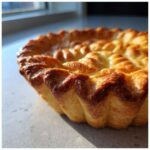
You deserve a truly flaky, tender pie crust that tastes much better than store-bought. This easy, all-butter pie crust recipe creates a buttery, foolproof pastry dough perfect for sweet or savory pies.
- Prep Time: 20 min
- Cook Time: 0 min (baking time depends on filling)
- Total Time: 2 hr 20 min
- Yield: One double-crust 9-inch pie
- Category: Baking
- Method: Pastry Making
- Cuisine: American
- Diet: Vegetarian
Ingredients
- 2 1/2 cups all-purpose flour
- 1 teaspoon salt
- 1 tablespoon granulated sugar
- 1 cup (2 sticks) unsalted butter, very cold and cut into 1/2-inch cubes
- 1/2 cup ice water, plus 1-2 tablespoons more if needed
Instructions
- Combine the flour, salt, and sugar in a large bowl. Whisk them together.
- Add the cold butter cubes to the flour mixture. Use a pastry blender or your fingers to cut the butter into the flour until the mixture resembles coarse crumbs with some pea-sized pieces of butter remaining. These pieces create the flakiness.
- Gradually add the ice water, one tablespoon at a time, mixing gently with a fork until the dough just comes together. Do not overmix. You may not need all the water.
- Divide the dough in half. Shape each half into a flat disk, wrap tightly in plastic wrap, and refrigerate for at least 2 hours, or up to 2 days. This step is key for a tender pie pastry dough.
- When ready to use, let the chilled dough sit at room temperature for 5 to 10 minutes to soften slightly.
- On a lightly floured surface, roll out one disk into a 12-inch circle. Carefully transfer the dough to your pie plate. Trim and crimp the edges as desired.
- If using for a double-crust pie, repeat the rolling process for the top crust. If blind baking, prick the bottom crust all over with a fork.
- Bake according to your pie recipe instructions.
Notes
- Keep your butter and water as cold as possible; this is the secret to a flaky pie crust.
- If the dough gets too warm while rolling, place it back in the refrigerator for 15 minutes.
- You can make this make ahead pie dough up to the wrapping stage and freeze it for up to 3 months. Thaw overnight in the refrigerator before using.
- This recipe works well for both sweet dessert pies and savory pot pie crust applications.
Nutrition
- Serving Size: 1/8 of crust
- Calories: 280
- Sugar: 0.5
- Sodium: 220
- Fat: 19
- Saturated Fat: 12
- Unsaturated Fat: 7
- Trans Fat: 0.5
- Carbohydrates: 24
- Fiber: 1
- Protein: 4
- Cholesterol: 48
