 Skip to content


I won’t lie, there used to be a time when ordering steak at a restaurant was the only way I’d eat it. The thought of trying to get that deep, dark crust and perfectly pink interior myself felt way too intimidating for my busy life. But when I finally committed to mastering one truly great meal, I chose the ribeye steak. And wow, did it change everything for me!
This foolproof method, using just a screaming hot cast iron skillet and simple additions, is how you bring true restaurant-quality steak right into your kitchen. Forget those grey, steamed-through failures. We are locking in the juices and building that unbelievable, savory crust every single time. Trust me, getting this technique down was a huge part of me realizing that incredible food doesn’t have to be complicated—it just needs the right method.
- Why This Cast Iron Ribeye Steak Recipe Guarantees Success
- Gathering Ingredients for Your Pan Seared Ribeye Steak Cast Iron
- Step-by-Step Instructions: How to Cook Ribeye Steak Perfectly
- Essential Beef Cooking Techniques for a Tender Steak Recipe
- Tips for Your Delicious Beef Dinner: Troubleshooting
- Serving Suggestions for Your Perfect Ribeye Steak
- Storage and Reheating Instructions for Leftover Steak
- Frequently Asked Questions About Cooking Steak
- Share Your Gourmet Steak Dinner Creations
- Nutritional Estimates for This Recipe
Why This Cast Iron Ribeye Steak Recipe Guarantees Success
It sounds dramatic, but the key to getting that juicy steak at home is honestly just trusting the process here. We are focusing on three non-negotiable things: serious heat, perfect seasoning, and bathing the steak in flavor at the end. This combination skips over all the guessing games that ruin other steak recipes.
When you follow these steps, you give yourself the best shot at a truly unforgettable meal. This isn’t my complex way of baking; this is pure, delicious chemistry at work. If you want to see where I share some other easy tips and tricks for weeknight cooking, check out my full blog archive!
The Importance of High Heat Searing for Your Ribeye Steak
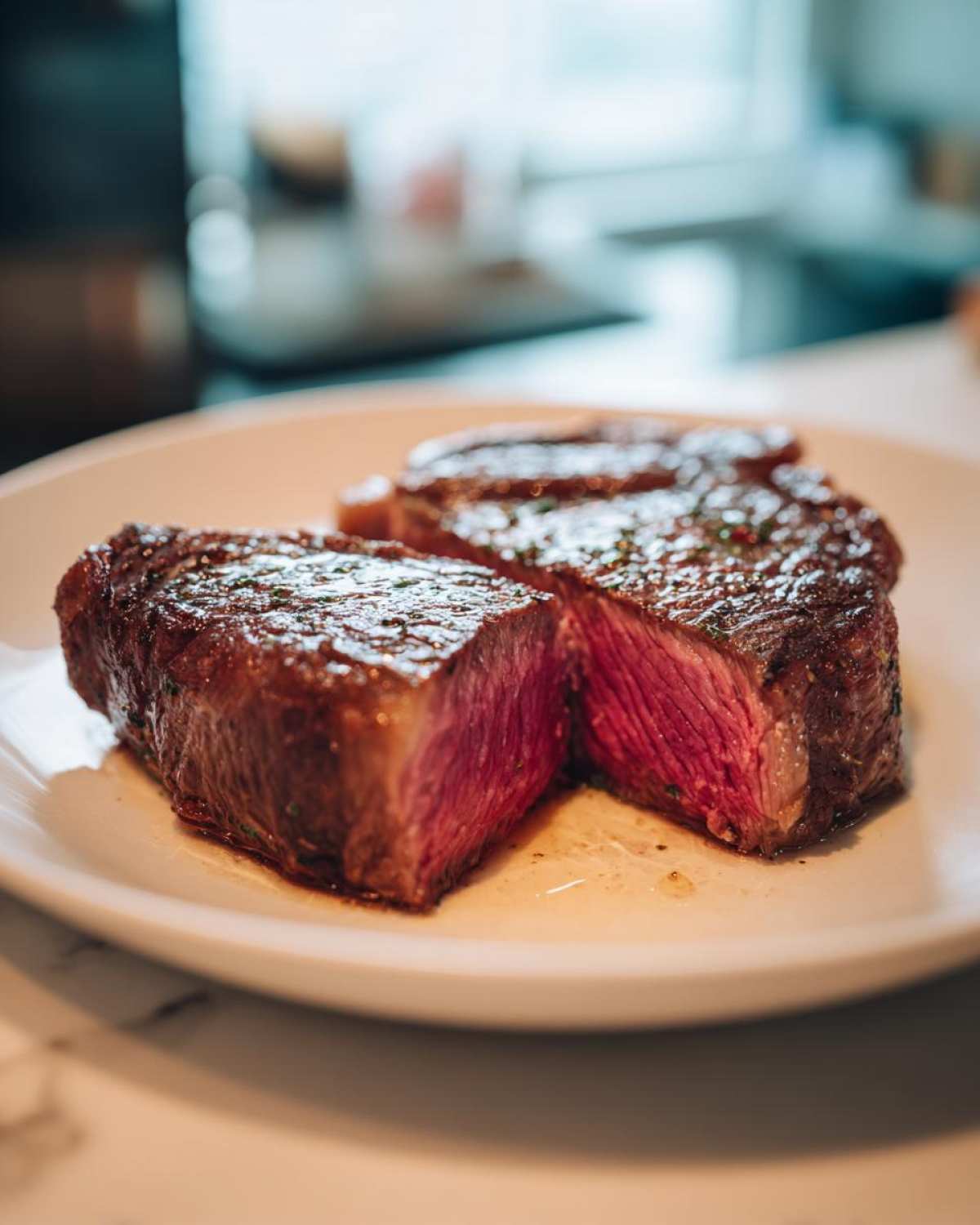
We need the outside of that beautiful steak to change color and texture fast. This is all about the Maillard reaction doing its magic! That super hot cast iron skillet is what generates the perfect steak crust—brown, crunchy, and ready to crackle when you cut into it. Don’t bother with olive oil here; go high heat, like avocado or grapeseed oil. It handles the fierce temperature without burning up on you.
Achieving a Perfect Medium Rare Steak Guide
Listen, I spent years poking steaks with my finger and wondering why they were tough. Now? I trust the thermometer. For a gorgeous, tender result, we are aiming for just shy of 130°F before that steak even leaves the pan. Pulling it off early is crucial because carryover cooking takes it higher. Having a reliable instant-read thermometer is the secret weapon for that beautiful medium rare steak guide result every single time.
Gathering Ingredients for Your Pan Seared Ribeye Steak Cast Iron
If you’ve got your cast iron ready, the next step is making sure your lineup of ingredients is perfect. Remember, simplicity is the rule here, which means the quality of what you use truly shines. Don’t skimp on the steak itself—it’s the star of the show!
For two beautiful servings of pan seared ribeye steak cast iron perfection, here is what you’ll need:
- Two thick ribeye steaks, right around 1.5 inches thick. This thickness helps us nail that crust without overcooking the inside.
- Two tablespoons of coarse salt. I really mean coarse—kosher or flaked sea salt works best here for texture!
- One teaspoon of freshly cracked black pepper.
- Two tablespoons of high-heat oil, like avocado or grapeseed. Save your nice finishing olive oil for salad dressing.
- Four tablespoons of really good quality unsalted butter. This is for our basting bath later, so make it count.
- Four cloves of garlic, and you’ll want to gently smash these with the flat side of your knife.
- Four sprigs of fresh thyme or rosemary. Don’t use dried here; the fresh oils are what make that baste incredible.
Ingredient Notes and Substitutions
Let’s talk about getting the best meat. When you are buying your ribeye, look for good marbling—those delicate white veins running through the meat. That fat is what melts down during the sear and keeps your steak tender. If you can’t find the perfect thickness, just adjust your cooking time accordingly. Thicker is safer when you are learning the sear!
I prefer coarse salt because it helps draw out just a little surface moisture while tenderizing, which contributes to that great crust we are hunting for. If you only have fine salt, use slightly less, as it dissolves faster. As for the oil, anything with a high smoke point is your friend. If you’re out of fresh herbs, you can skip them, but honestly, those herbs steeped in melted butter are what give you that amazing restaurant style steak flavor we are aiming for.
Step-by-Step Instructions: How to Cook Ribeye Steak Perfectly
Alright, this is where the magic happens! Remember, successful cooking is all about the choreography, and these steps are timed perfectly for a beautiful, even cook. Don’t rush the pre-steps—they are arguably more important than the actual time it spends in the pan. You want that ribeye steak coming out just right.
We are going to break this down into three phases: getting ready, the hard sear, and the flavor finish. If you want to check out another rich and flavorful dinner idea while you wait for your cast iron to heat up, I have a great honey garlic butter salmon recipe that uses similar basting techniques!
Preparation: Drying and Seasoning the Ribeye Steak
First things first: take those steaks out of the fridge an entire hour before you plan to cook. They need to come close to room temperature so they cook evenly from edge to center. Next, grab a stack of paper towels. You absolutely must pat those steaks until they are bone dry on all surfaces. Seriously, paper towel them like they insulted your favorite recipe! Any moisture on the surface turns your sear into steaming, which is the enemy of a good crust.
Once they are dry, season them aggressively with your salt and pepper. You want a good, heavy coating; remember, a lot of that seasoning falls off into the hot pan anyway, so don’t be shy!
The Basting Technique for a Restaurant Style Steak
Set your cast iron skillet on the stove and crank the heat up high until you see just a wisp of smoke—it needs to be screaming hot. Add your high-heat oil, wait ten seconds, and place those beauties in. Sear undisturbed for three minutes until you have that deep brown exterior. Time to flip!
The second you flip, drop in your butter, smashed garlic, and herbs. As the butter melts, carefully tilt the skillet so all that gorgeous liquid pools to one side. Now, use a big spoon to continuously drizzle or baste that foaming, fragrant garlic butter all over the top surface of the steak. Keep doing this—swish, scoop, drizzle—for another minute or two until you hit that perfect internal temperature. That basting gets you the best flavor for a true restaurant style steak finish, hands down.

Essential Beef Cooking Techniques for a Tender Steak Recipe
We’ve done the hard work getting that beautiful crust, but the final two steps are what truly turn a good piece of beef into that melt-in-your-mouth, tender steak recipe everyone raves about. Don’t skip these—they are just as important as the sear itself, giving me peace of mind that I’m serving up the best possible cooked beef.
If you’re looking for another fun way to change up your weeknight beef routine, I highly recommend checking out my steak fajita recipe sometime. But for a pure, classic steak experience, mastering the rest (and the slice) is everything.
Understanding Steak Internal Temperature Chart
You absolutely have to respect the thermometer. When I say 130°F to 135°F is our sweet spot for medium-rare, that’s for a reason! Let me give you a quick map so you know what you’re aiming for:
- Rare: Pull it around 120°F. It will be cool and red in the center.
- Medium Rare (Our Goal!): Pull it off the heat exactly when it hits 130°F to 135°F. It will be warm, vibrant red, and incredibly juicy.
- Medium: If you go past 140°F, you start losing that desirable tenderness. This is where the steak gets firmer.
Remember that internal temperature rises about 5 degrees while it rests. That’s why pulling it slightly early guarantees you don’t end up with an overcooked, sad steak after all your hard work!
Tips for Your Delicious Beef Dinner: Troubleshooting
Even when we follow a recipe perfectly, sometimes things go a little sideways, right? That’s totally normal. When it comes to cooking a steak this intensely, there are three major hiccups I hear about most often. But don’t stress! We can usually fix these right in the cast iron skillet, so your delicious beef dinner isn’t ruined.
If you’re already planning out the whole spread, I have a fantastic recipe for crispy roast potatoes that pairs perfectly with this steak!
That Dreaded Sticky Situation: My Steak Won’t Release!
This is the number one fear when using a cast iron skillet! If you put your steak down and it immediately sticks, DO NOT try to rip it off. That’s how you lose half your beautifully developed crust. What happened is the steak surface wasn’t quite dry enough, or the pan wasn’t totally screaming hot.
The fix is simple: just leave it alone! Let the pan heat keep doing its thing. Once the Maillard reaction truly blooms, the steak will naturally release from the surface clean as a whistle. It might take 30 seconds longer than expected, but resisting the urge to move it is how you win.
Why Did My Steak Turn Grey Instead of Brown?
A grey steak usually means you steamed it instead of searing it. If you see the sides of your steak turning grey before you even flip it, that usually means you put the steak in too early (before the oil was hot enough) or you overcrowded the pan. Remember, if you are cooking more than two thick steaks, do them in batches!
If you only have one steak in the pan and it’s steaming, turn the heat up higher for the remainder of the initial sear time. If you pull it too soon, you can sometimes recover by letting the pan get hotter before you flip, but honestly, this is where a thermometer helps. If it’s not temping correctly after the initial sear, you’ll have to try to push through and rely heavily on the butter basting to add flavor back in where the crust failed.
The Interior Cooked Unevenly (Hot on Edges, Cold in Middle)
This usually happens if you don’t let your steak take that one-hour nap outside of the fridge. When you put an ice-cold steak into a ripping hot pan, the outside overcooks instantly trying to warm up the frozen center. Then, the center finally gets warm, but those outer layers are now tough grey leather.
To fix this next time, focus solely on that hour of tempering time. If you are in a hurry, you can use the reverse sear ribeye basics method which is much more forgiving about internal temperature consistency, though this cast iron method is faster for a spontaneous steak night!
Serving Suggestions for Your Perfect Ribeye Steak
Okay, you nailed the sear, you nailed the temperature, and you let it rest (because you respect the meat, right?). Now, the final, joyful step: what are we eating this glorious, flavorful piece of beef with?
A cut this rich deserves sides that either balance its intensity or soak up every last drop of that amazing garlic herb butter left in the pan. This recipe works beautifully for a romantic dinner—maybe for Valentine’s Day—or any time you just want to treat yourself to a truly gourmet steak dinner experience.
For quick sides that complement the richness without weighing things down, I always lean toward bright, slightly acidic vegetables. If you need a fantastic green side that takes less than ten minutes, you absolutely have to try my quick broccolini with garlic and lemon. The pop of lemon cuts through the butter perfectly!
Here are a few other ideas for rounding out your perfect steak night:
- Creamy Mash: You can’t beat creamy, buttery mashed potatoes. They are the perfect vessel for soaking up any juices left on your plate.
- Roasted Root Veggies: Don’t overcomplicate them! Toss carrots, parsnips, and onions with a little olive oil, salt, and pepper, and roast them until caramelized.
- Simple Salad: A sharp arugula salad dressed with a high-quality red wine vinaigrette offers a peppery contrast.
Honestly, even just serving this ribeye steak with a sprinkle of flaky sea salt and nothing else would be a win. But pairing it with something green and bright makes it feel like a complete, satisfying meal.

Storage and Reheating Instructions for Leftover Steak
One of the great things about this recipe is that it makes enough incredible food for two, but if you’re smart like me, you might intentionally make an extra steak for lunch the next day. Leftover steak is fantastic, provided you treat it right! You don’t want yesterday’s perfection to turn into today’s rubbery disappointment, do you?
The key here is moisture retention. Once the steak has fully cooled down to room temperature after resting, get it wrapped up tightly. I prefer slicing it first, which makes reheating much faster and easier. If you store the slices in an airtight container in the fridge, it should be great for three, maybe four days, max. Any longer than that, and the texture just starts to suffer.
The Best Way to Reheat Steak Without Drying It Out
This is where most people go wrong. Don’t even think about microwaving a whole thick piece of steak—it will turn into jerky! The goal when reheating is to quickly bring the temperature up without cooking it any further, especially if you liked it medium-rare.
My absolute favorite trick is to use the pan again, but this time, very gently. If you saved any of those flavorful pan drippings or that amazing garlic butter essence, use them! Slice the steak thin (against the grain, please!) and place the slices into a skillet over medium-low heat. You just want to warm them through gently. If you don’t have drippings, just add a splash of beef broth or even water to the pan, cover it briefly, and let the steam warm the meat slowly.
If you’re in a massive hurry and just need it warm for a sandwich or salad, you can technically microwave it, but you need to take precautions. Place the slices on a microwave-safe plate and drape a slightly damp paper towel over the top. This uses steam to keep the moisture in. Heat it in 20-second bursts until it’s just warm to the touch. It won’t have that beautiful crust anymore, but at least it won’t be tough!
Frequently Asked Questions About Cooking Steak
I love talking steak! Honestly, once you get the hang of the cast iron method, you’ll start getting those incredible results that used to only happen at fancy steakhouses. Since I get tons of questions after people try this recipe, I thought I’d compile a few of the most common ones right here. These are the things home cooks ask most often when trying to achieve that perfect delicious beef dinner.
If you are looking for some totally different meal ideas that are just as easy, take a look at my easy egg bite recipe for breakfast prep!
Can I use the reverse sear ribeye basics method instead?
That’s a fantastic question! Absolutely, you can use the reverse sear ribeye basics method, and lots of people prefer it, especially if they have a super thick steak (over 2 inches) or they are cooking for a crowd and want perfect consistency across multiple cuts. Reverse sear means you bring the steak up slowly in a low oven first, holding it just below your target temperature. Then, you blast it in the screaming hot cast iron pan for just a quick sear on the outside.
The downside? It takes way longer—at least 45 minutes of oven time versus the 10 minutes total this direct pan-sear takes. If you’re aiming for a quick, spontaneous steak night like I usually am, this direct heat method works faster. If you have time to plan ahead, reverse sear is incredibly reliable for hitting that target temperature deep inside your ribeye steak.
What is the best way to get a great crust without overcooking the inside?
This is the eternal struggle, isn’t it? For a truly stunning, perfect steak crust, two things have to be perfect, and I mean perfect. First, the surface of the steak needs to be dryer than the Sahara. Moisture is heat’s enemy because it has to evaporate before the browning (the Maillard reaction) can even start. So, pat it dry like your life depends on it after that one-hour temp rest.
Second, the pan must be smoking hot before the steak goes in. If you have to ask, “Is it hot enough?” the answer is probably no! That intense, immediate heat on a dry surface cooks the outside quickly while keeping the center relatively cool until you start your butter basting phase. Trust me, screaming hot pan, dry steak—that’s all you need for a winner.
What is the minimum thickness I should use for this pan-sear method?
I really wouldn’t recommend going much thinner than 1.25 inches for this recipe. When you’re using this high-heat, direct-searing approach, thinner steaks cook through way too fast once you flip them, and you won’t have time to build that beautiful flavor crust before the center hits medium well. For this pan seared ribeye steak cast iron technique to work its best magic, aim for 1.5 inches or even a little thicker!
How important is the resting period?
It is non-negotiable! Resting is the final, crucial step in our medium rare steak guide philosophy. When meat cooks, the muscle fibers tighten up, squeezing all those delicious juices toward the center. If you slice into it immediately, all those juices—the flavor, the tenderness—will spill right out onto your cutting board, leaving you with a drier steak.
Giving it that 10-minute rest tells the fibers to relax and redistribute the moisture throughout the steak. It’s a small pause that makes a massive difference in how juicy your steak at home tastes. Don’t skip it, even if you’re starving!
Share Your Gourmet Steak Dinner Creations
Wow, we made it! I’m so proud that you stuck with the heat, the seasoning, and all the little details to create what I hope is the best gourmet steak dinner you’ve ever cooked at home. This is exactly why I started Pure Cooking Joy—to watch home cooks like you conquer those meals that felt impossible before.
I genuinely want to know how it went! Did you nail that perfect medium-rare center? Did the butter baste make your kitchen smell like heaven? Please take a minute to leave a rating on the recipe card at the top—it helps other folks who are nervous about cooking steak for the first time.
And if you took a picture? Tag me! I love seeing your successes. You can find me over on Facebook where I share behind-the-scenes kitchen moments over at my page. Being able to create a meal like this—a perfect ribeye steak—is such a great confidence booster. Happy cooking, and thank you so much for cooking with me today!

Nutritional Estimates for This Recipe
I always try to keep things simple here at Pure Cooking Joy, and while steak is definitely a rich indulgence, knowing the numbers can be helpful! Remember, because this recipe relies heavily on the quality and fat content of the cut of meat you choose—that gorgeous marbling we talked about—these figures are just guidelines. The final count depends on the specific cut of the ribeye steak you buy and the amount of butter you aggressively baste with. But just for reference, here are the estimates based on the recipe cards I used:
- Serving Size: 1 steak
- Calories: 650
- Fat: 50g
- Saturated Fat: 22g
- Protein: 45g
- Cholesterol: 180mg
- Sodium: 1200mg (This is high because of the coarse salt we use for seasoning, so feel free to cut back if sodium is a concern for you!)
- Carbohydrates and Fiber: 0g
Take this chart with a grain of salt, so to speak! If you pair this with my light broccolini side, you balance out that richness perfectly. Enjoy every bite of your delicious beef dinner!
PrintFoolproof Restaurant-Quality Cast Iron Ribeye Steak with Garlic Herb Butter
Learn the simple steps to cook a perfectly juicy ribeye steak at home using a cast iron skillet. This method creates a deep, crispy crust and a tender, medium-rare interior every time you make steak night.
- Prep Time: 60 min
- Cook Time: 10 min
- Total Time: 70 min
- Yield: 2 servings 1x
- Category: Dinner
- Method: Pan Searing
- Cuisine: American
- Diet: Low Fat
Ingredients
- 2 (1.5-inch thick) ribeye steaks, about 1.5 lbs total
- 2 tablespoons coarse salt
- 1 teaspoon black pepper
- 2 tablespoons high-heat cooking oil, like avocado or grapeseed
- 4 tablespoons unsalted butter
- 4 cloves garlic, smashed
- 4 sprigs fresh thyme or rosemary
Instructions
- Take the steaks out of the refrigerator 1 hour before cooking. Pat them completely dry using paper towels. Season both sides generously with coarse salt and pepper.
- Place a heavy cast iron skillet over high heat. Let the skillet heat up until it is smoking slightly, about 5 to 7 minutes.
- Add the cooking oil to the hot skillet. Carefully place the seasoned steaks into the skillet, ensuring they do not touch.
- Sear the steaks undisturbed for 3 minutes to develop a deep brown crust.
- Flip the steaks. Immediately add the butter, smashed garlic, and herb sprigs to the skillet.
- Tilt the skillet slightly so the melted butter pools on one side. Use a large spoon to continuously baste the butter mixture over the top of the steaks for 1 to 2 minutes.
- Continue searing and basting until the steak reaches your desired internal temperature for medium rare (130°F to 135°F). Use a meat thermometer for accuracy.
- Remove the steaks from the skillet and place them on a cutting board. Tent loosely with foil and let the steak rest for 10 minutes before slicing against the grain.
Notes
- For a perfect medium-rare steak, aim for an internal temperature of 130°F before resting. The temperature will rise a few degrees while resting.
- If your steaks are thinner than 1.5 inches, reduce the initial sear time to 2 minutes per side.
- Use the rendered garlic butter from the pan to drizzle over the sliced steak for extra flavor.
Nutrition
- Serving Size: 1 steak
- Calories: 650
- Sugar: 0
- Sodium: 1200
- Fat: 50
- Saturated Fat: 22
- Unsaturated Fat: 28
- Trans Fat: 1
- Carbohydrates: 0
- Fiber: 0
- Protein: 45
- Cholesterol: 180
